
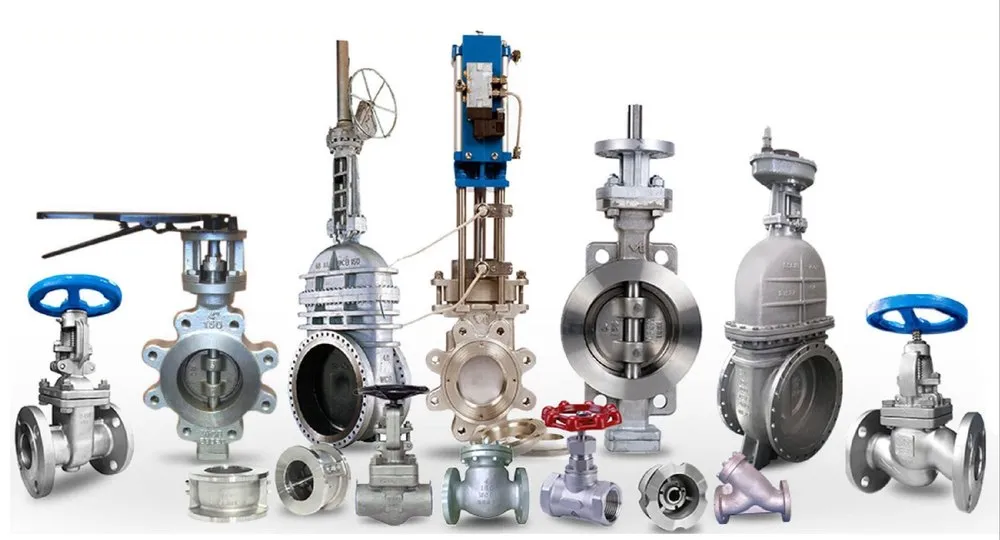
TRADING IN GAS INDUSTRY EQUIPMENT
Integrated LPG, LNG, and CNG equipment solutions for factories and manufacturing businesses, supporting optimal operation, system stability, and cost savings.
Gas Industry Equipment Supply | High-Quality LPG, LNG, and CNG Solutions for Businesses
As industries continue transitioning toward cleaner and more efficient energy sources, the demand for LPG, LNG, and CNG systems in factories and industrial zones is steadily increasing. However, selecting the right gas industry equipment plays a crucial role in ensuring stable operation, fuel efficiency, and safety.
With extensive experience in the industrial gas sector, Delta Petro supplies a wide range of LPG, LNG, and CNG equipment for various industries. From storage tanks, vaporizers, pressure regulation systems, and industrial valves to complete gas solutions, Delta Petro is committed to helping businesses build safe, stable, and cost-effective operating systems.
In addition to supplying equipment, Delta Petro provides site surveys, technical consultation, and system configuration recommendations tailored to the specific requirements of each project, helping improve energy efficiency and minimize operational risks.
Contact Delta Petro via Hotline: 0988.678.494 - 02432.283.999 for expert consultation on gas industry equipment tailored to your operational needs.
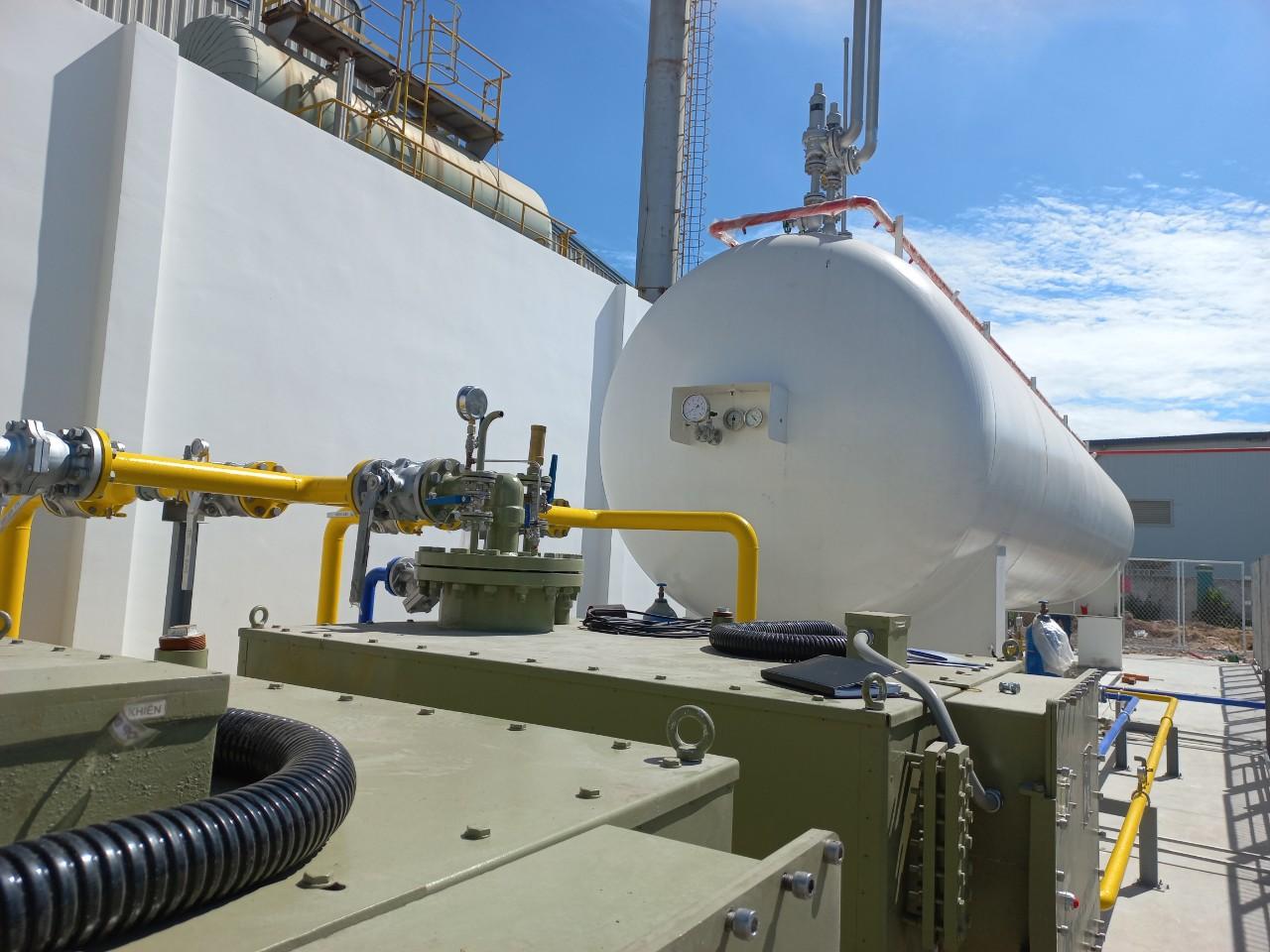
What Is Gas Industry Equipment? Its Role in LPG, LNG, and CNG Systems
What Types of Equipment Are Included in the Gas Industry?
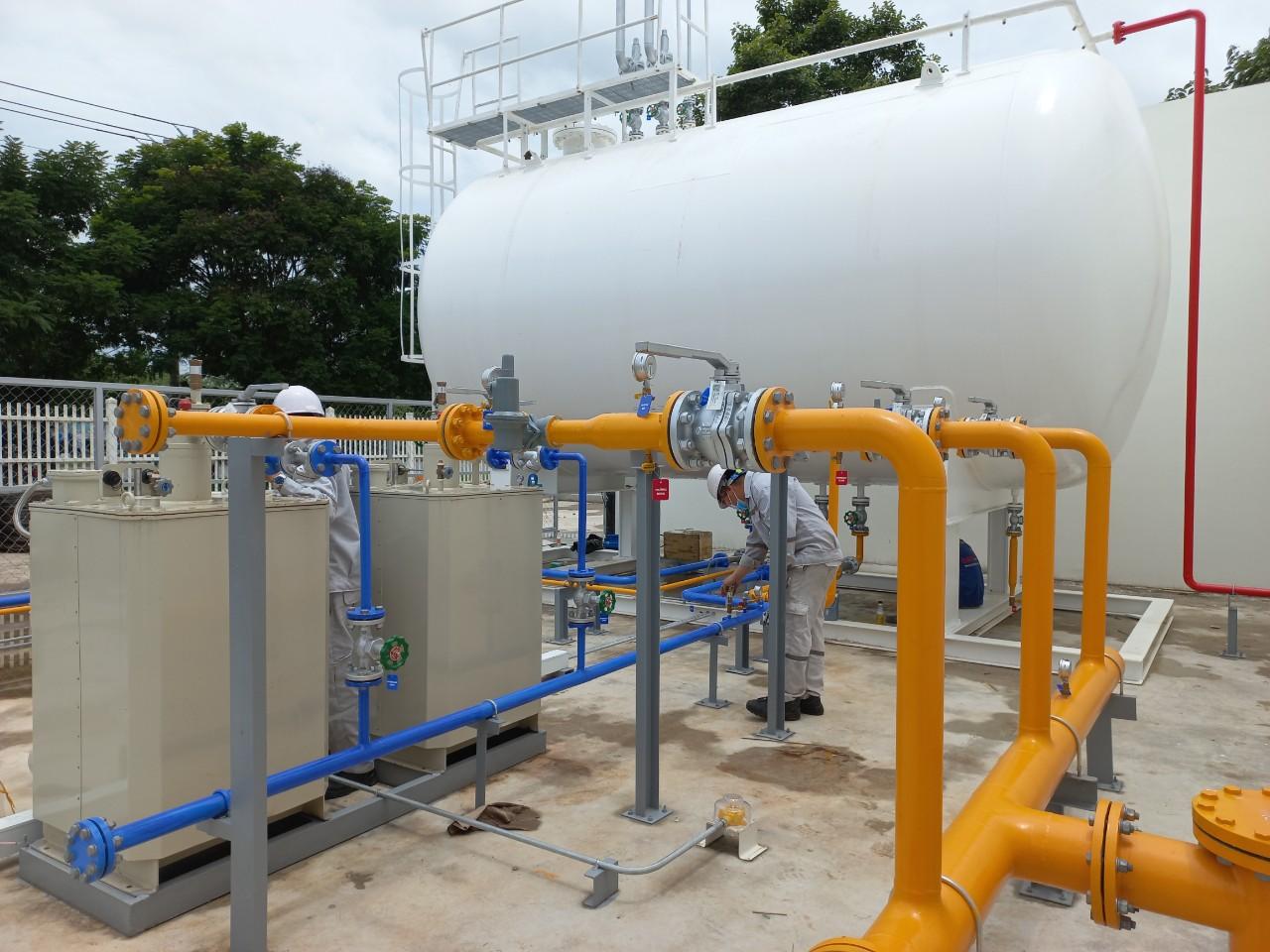
Gas industry equipment refers to a range of specialized devices used for storing, transporting, vaporizing, regulating pressure, controlling, and distributing gas throughout production systems.
A complete gas system typically includes:
LPG, LNG, and CNG storage tanks
Vaporizers
Pressure regulators
Industrial valves
Flow meters
Pipeline systems
Safety equipment
Monitoring and control systems
Each equipment group serves a specific purpose while working together to ensure stable and safe system operation.
The Role of Equipment in Gas System Operations
Many businesses focus primarily on fuel costs without fully recognizing the importance of equipment within the gas system.
A properly designed and equipped system helps:
Maintain stable pressure control
Reduce fuel losses
Increase combustion efficiency
Minimize operational disruptions
Extend equipment lifespan
On the other hand, using low-quality or incompatible equipment may lead to risks such as explosions, gas leaks, production interruptions, and high maintenance costs.
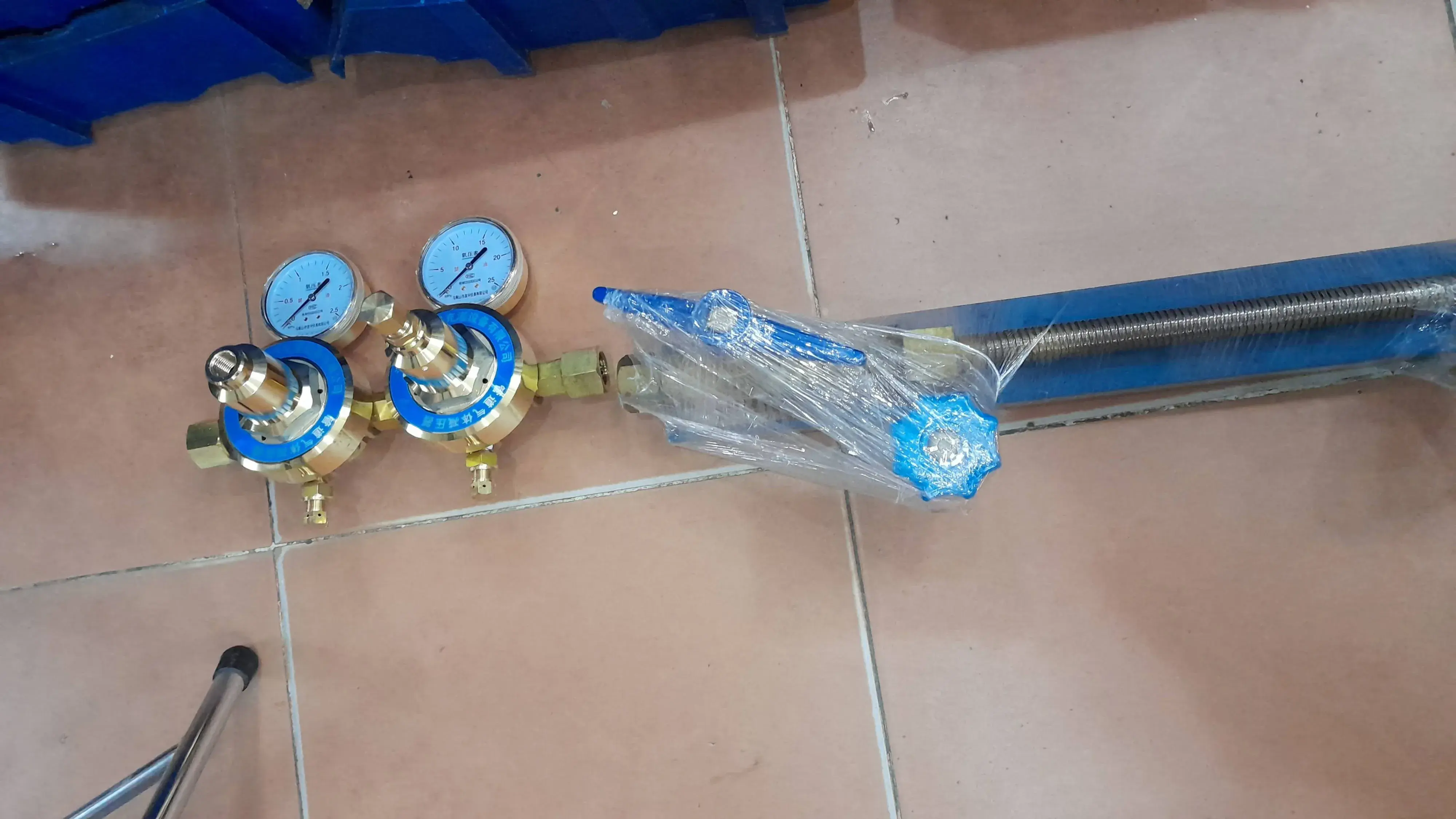
Why Should Businesses Invest in Certified Equipment?
Certified equipment helps businesses meet technical, safety, and environmental requirements throughout their production processes.
Equipment manufactured according to international standards such as ASME, CE, and ISO generally offers greater durability, reliable operation, and superior pressure resistance. Investing correctly from the beginning helps businesses significantly reduce future repair, replacement, and operating costs.
Common Types of Gas Industry Equipment Used Today
Industrial LPG Equipment
LPG remains one of the most widely used fuels across industries such as food processing, textile manufacturing, mechanical engineering, ceramics, and construction materials.
Common LPG equipment includes:
LPG storage tanks
LPG vaporizers
LPG pressure regulators
Flow meters
Shut-off valves and safety valves
LPG piping systems
These devices help maintain a stable gas supply process and ensure fuel efficiency.
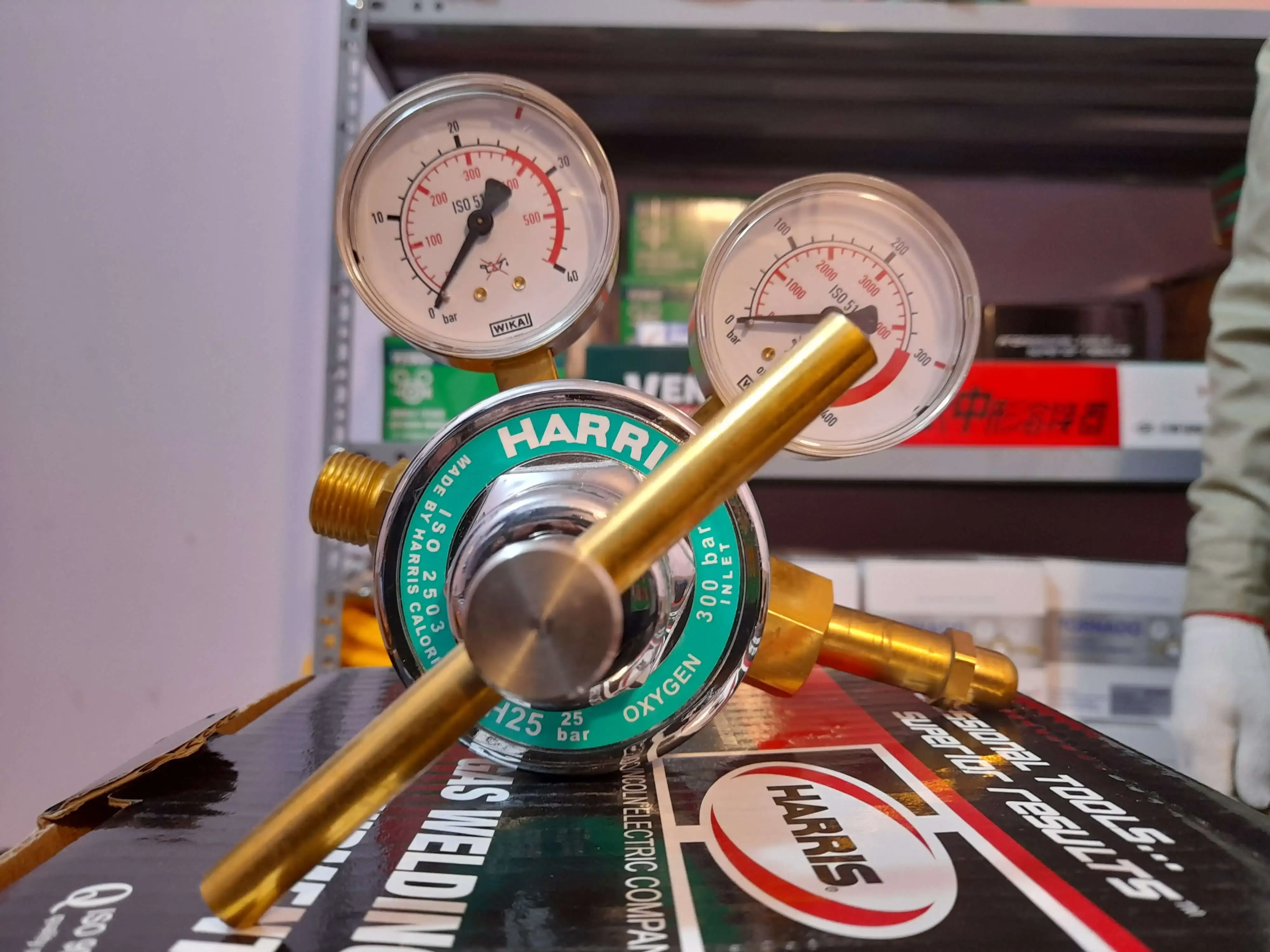
Industrial LNG Equipment
LNG is becoming a new energy trend thanks to its ability to reduce emissions and optimize operating costs.
Typical LNG equipment includes:
Cryogenic LNG storage tanks
LNG vaporizers
Cryogenic valves
Pressure regulation systems
Temperature and pressure monitoring equipment
Since LNG is stored at extremely low temperatures, its technology and equipment quality requirements are significantly higher than those of LPG systems.
Industrial CNG Equipment
CNG is widely used in manufacturing facilities that require a continuous gas supply.
A typical CNG system includes:
CNG pressure reduction stations
High-pressure regulators
Gas distribution equipment
Flow meters
Pressure monitoring systems
Selecting the right equipment allows businesses to maximize the efficiency of this fuel source.
Accessories and Safety Equipment
In addition to the main equipment, gas systems require important accessories such as:
Safety valves
Emergency shut-off valves
Gas leak detection devices
Warning and alarm systems
Overpressure protection equipment
Important Criteria When Purchasing Gas Industry Equipment
Selection Based on Actual Operational Requirements
Each business has different gas consumption requirements in terms of capacity, pressure, and flow rate.
Therefore, equipment selection should be based on:
Fuel consumption levels
Production scale
Production line characteristics
Future expansion plans
Selecting the right capacity helps avoid investment waste or insufficient operating capability.
Technical Standards and Quality Certifications
Gas industry equipment must comply with international technical standards to ensure quality and safety.
Important certifications include:
ASME
CE
ISO
PED
Vietnamese Standards (TCVN)
Products with complete certifications are often prioritized by businesses.
System Compatibility and Integration
Many businesses purchase equipment from multiple suppliers to reduce costs. However, this can lead to compatibility issues and technical complications.
A fully integrated system provides:
Stable operation
Higher efficiency
Simplified maintenance
Reduced risk of equipment failure
Product Origin and Warranty Policy
Businesses should prioritize equipment with clear origins, complete CO/CQ documentation, and official warranty coverage.
In addition to product quality, after-sales technical support is a crucial factor in maintaining long-term system stability.