

APPLICATIONS OF INDUSTRIAL GAS IN MANUFACTURING PROCESSES
-
 By Admin Tivatech
 - NEWS
- Mar 31, 2026
- 3 minutes read
- 613 Views
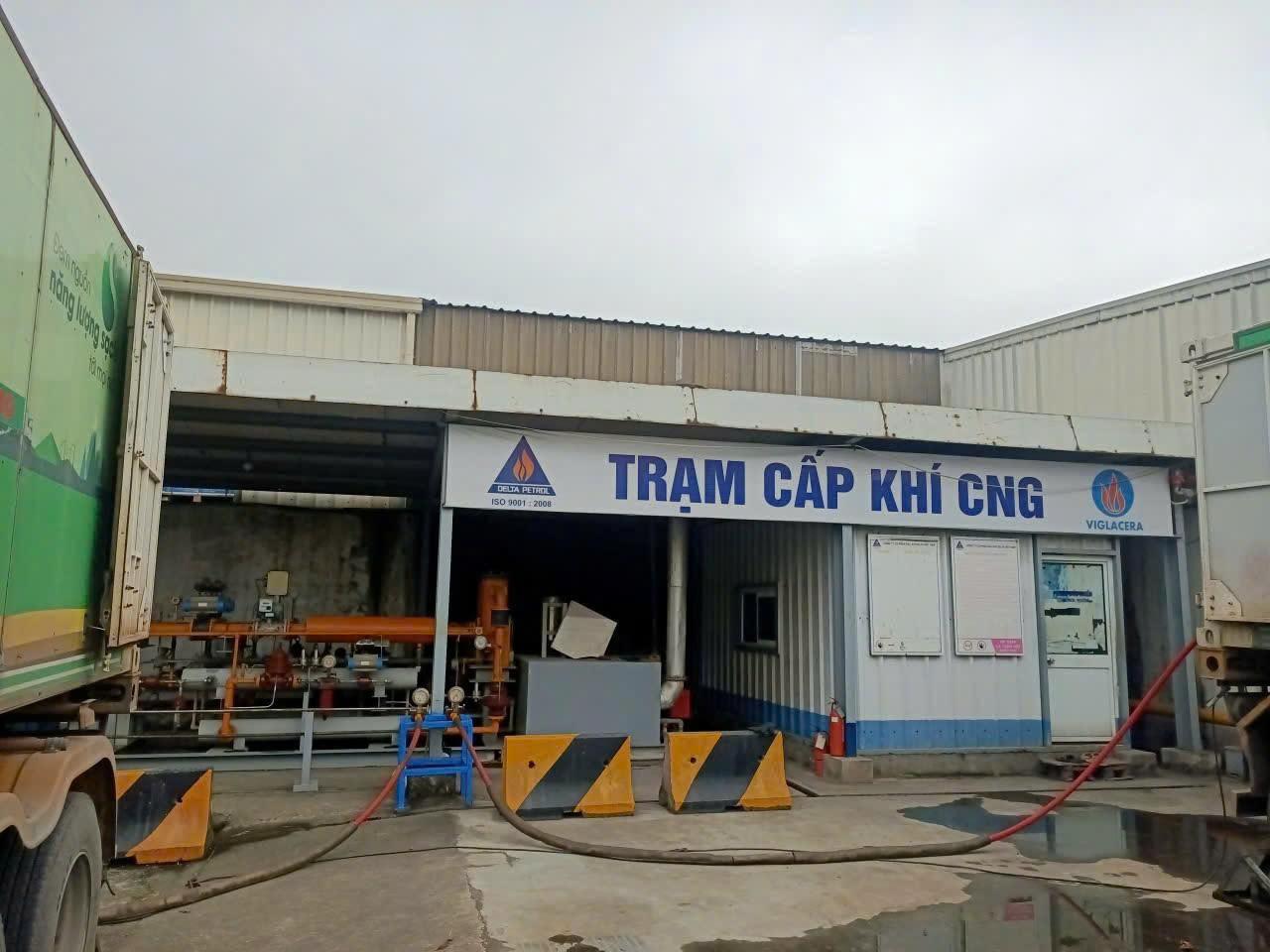
The application of natural gas helps businesses reduce costs, stabilize production, and optimize operations. Learn about effective solutions for gas production and distribution.
Applications of GAS in Manufacturing | Energy-Saving Solutions
In the context of increasingly volatile energy costs, many businesses are shifting to LPG and CNG as effective alternatives to traditional fuels. Beyond simply replacing fuel sources, the proper application of GAS can help enterprises optimize costs, stabilize production, and improve operational efficiency.
Why Are Businesses Switching to GAS?
In practice, many businesses adopt GAS not only because of cost advantages but also due to its operational stability and ease of control.
Common challenges when using traditional fuels include:
Fluctuating and difficult-to-control fuel costs
Unstable heat output affecting product quality
Accelerated equipment wear and tear
GAS helps solve these issues through:
Stable and easily controllable heat output
Clean operation with minimal impact on equipment
Easy integration into production systems
This is why GAS has become a popular alternative in industrial manufacturing.
Applications of GAS in Manufacturing Processes
Heating Systems and Furnaces
GAS is widely used in kilns, drying ovens, and heating systems. Stable heat output enables better process control and reduces product defects.
Drying and Material Processing
In the food, agricultural, and material industries, gas-fired drying systems provide consistent heat without generating smoke that could affect product quality.
Welding, Cutting, and Fabrication
The mechanical engineering industry uses LPG for welding and metal cutting due to its high and stable heat generation, improving productivity and efficiency.
Building Material Manufacturing
Ceramic, brick, and glass manufacturers use GAS to operate continuous furnaces, ensuring consistent product quality.
A common benefit is that GAS enables better temperature control, leading to higher production efficiency.
Practical Benefits of Proper GAS Utilization
Reduced fuel costs through higher combustion efficiency
Stable pressure for smoother equipment operation
Minimized production interruptions
Lower maintenance costs due to fewer system failures
Compliance with environmental standards
However, these benefits can only be achieved when:
The system is designed with the correct capacity
Equipment is properly matched and integrated
Operations and fuel supply are effectively managed
GAS itself does not automatically reduce costs—a properly designed system is what determines efficiency.
Common Mistakes That Prevent Businesses from Optimizing GAS Usage
Selecting gas types based solely on price rather than operational needs
Poorly integrated system design
Failure to optimize piping systems and pressure control
Lack of monitoring and control of operational losses
As a result:
Costs may not decrease as expected
System performance becomes unstable
Unexpected repair and maintenance expenses arise
This is why many businesses “switch to gas but fail to see the expected results.”
Effective GAS Implementation Solutions for Businesses
To maximize the benefits of GAS, businesses need a comprehensive solution that includes:
Assessing actual energy requirements
Designing systems with the appropriate capacity
Selecting suitable equipment
Managing operations and fuel supply effectively
With extensive practical experience, Delta Petro provides complete GAS solutions, from design and installation to operation and maintenance, helping businesses optimize costs and ensure long-term system reliability.
Contact us today for expert consultation and a solution tailored to your production model.