Compressed Natural Gas (CNG) – Reduce Operating Costs, Maintain Stable Production
Many manufacturing businesses today are facing a situation where fuel costs are steadily increasing over time but remain uncontrollable, while operational systems still consume large amounts of energy and lack stability in performance. With the same output, input costs continue to rise, especially for businesses using DO, FO oil or coal for boilers and industrial furnaces.
The problem is not that businesses are consuming too much energy, but that they are using a fuel source that is not optimized for long-term cost and operational efficiency.
Compressed Natural Gas (CNG) emerges as a clearer transition option: cleaner combustion, better control, and most importantly, allowing businesses to see cost efficiency directly during operation. Instead of solving just one factor, CNG impacts the entire system – from fuel consumption levels and production stability to equipment maintenance costs.
For businesses looking to optimize costs while maintaining continuous operation, CNG is no longer a reference option but is gradually becoming a new standard in industrial production.
Are Businesses “Burning Money” by Using the Wrong Fuel?
Fuel costs are increasing without clear reasons
Many businesses notice monthly fuel cost increases but cannot clearly identify the cause. Lack of monitoring data for each operational cycle leads to hidden cost escalation, directly impacting profits.
High energy consumption in operation systems
Traditional fuel systems often operate with suboptimal combustion efficiency, creating residue and heat loss. This results in higher-than-necessary energy consumption and reduces overall production efficiency.
Risk of production interruption due to unstable supply
Dependence on oil or coal exposes businesses to supply fluctuations and delivery delays. Even a short disruption can halt the entire production system.
Pressure to reduce emissions – but no clear solution
Environmental standards are becoming stricter, forcing businesses to reduce emissions. However, continuing to use traditional fuels makes compliance more difficult and costly in the long run.
CNG – An Alternative to Optimize Costs Immediately
What is CNG?
CNG (Compressed Natural Gas) is natural gas compressed at high pressure for storage and transportation. Its main component is methane, which burns cleanly, produces minimal residue, and provides stable thermal efficiency, making it suitable for industrial boilers and furnaces.
Why are industrial businesses rapidly switching to CNG?
Many businesses are transitioning to CNG due to volatile oil and coal prices that are difficult to control. CNG stabilizes supply, reduces dependence on traditional fuels, and enables better cost control based on actual consumption.
Cost – efficiency – environment solved simultaneously
Unlike traditional fuels, CNG impacts three key factors at once: reducing fuel costs through better combustion efficiency, improving system stability, and significantly lowering emissions. This makes CNG not just an alternative, but a long-term transition direction for many manufacturers.
4 Core Benefits of Switching to CNG
Reduce fuel costs compared to oil/coal
CNG provides stable and efficient combustion, helping businesses control fuel costs based on real consumption. In many cases, costs can be significantly reduced compared to oil or coal.
Clean combustion – reduced CO2 emissions
CNG combustion produces almost no soot and fewer harmful gases, making it easier for businesses to meet strict environmental standards.
Extend equipment lifespan – lower maintenance costs
With clean combustion, CNG minimizes residue buildup, reduces equipment wear, and extends stable operation time.
Stable supply – uninterrupted production
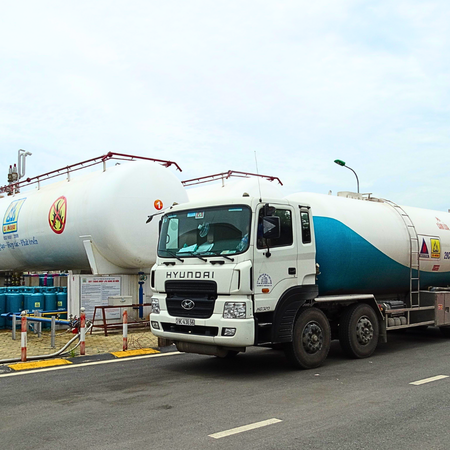
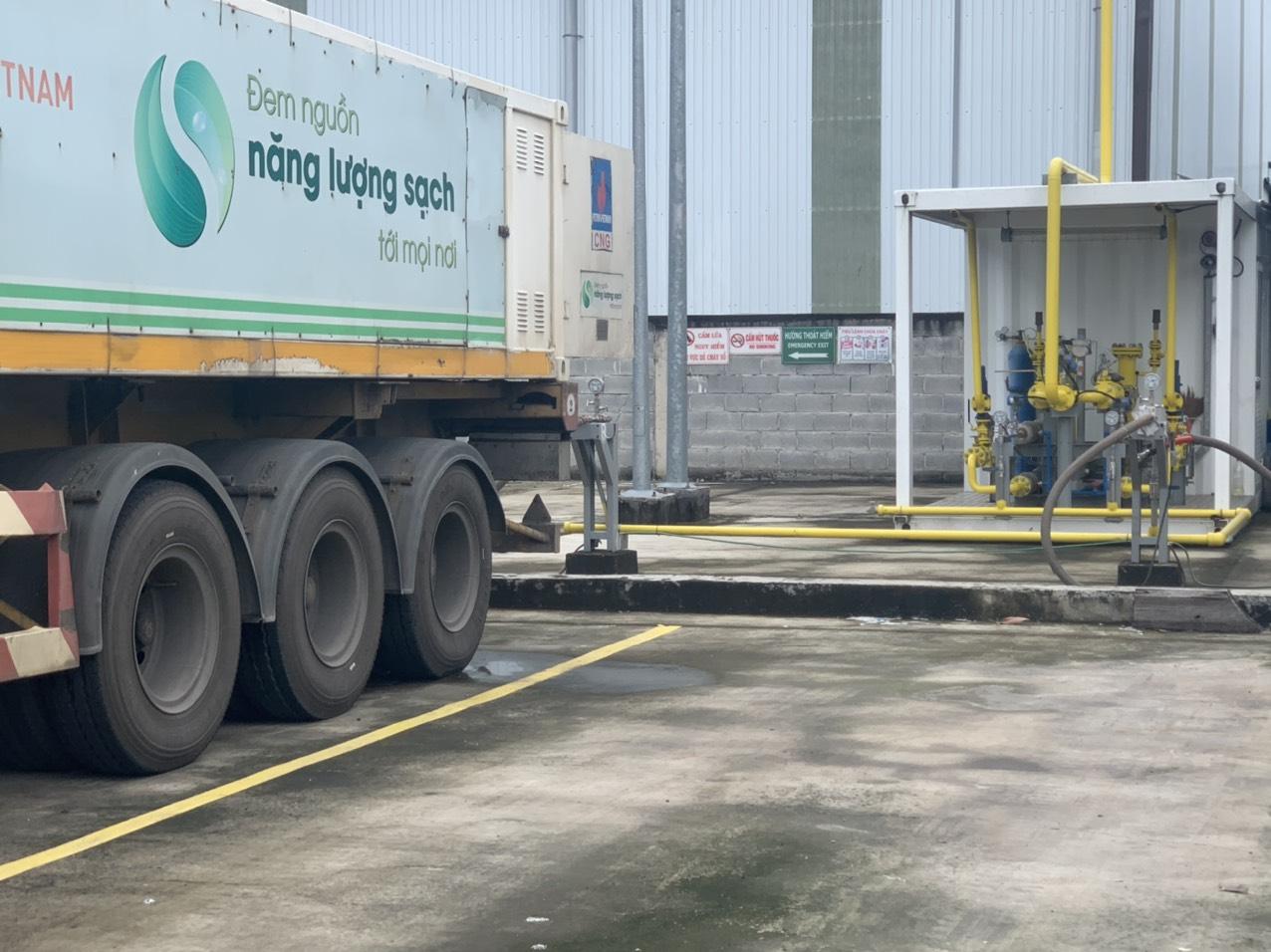
CNG is supplied through dedicated systems, allowing businesses to maintain fuel availability and avoid production disruptions.
Which Businesses Should Switch to CNG Now?
Factories using boilers and industrial furnaces
Systems requiring stable heat benefit significantly from CNG due to consistent combustion and better control.
Industries with high thermal consumption
Industries such as food processing, textiles, ceramics, and construction materials often face high energy costs and can optimize effectively with CNG.
Businesses using DO/FO with high costs
If fuel costs account for a large portion of operations, switching to CNG can significantly reduce long-term expenses.
Industries requiring strict environmental standards
Businesses aiming for green production or meeting emission regulations will find it easier with CNG.
Important Notes When Switching to CNG
Safety standards must be followed
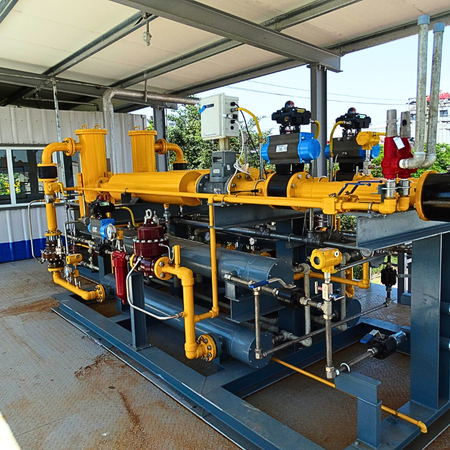
CNG systems operate under high pressure, requiring strict compliance with technical standards and safety equipment such as pressure relief valves and leak detection systems.
Regular system inspection
Periodic inspection helps detect leaks, wear, or pressure issues early, ensuring stable operation and extended equipment lifespan.
Choose a reputable supplier
A reliable supplier ensures gas quality, safety, and long-term operational efficiency. Businesses should prioritize experienced partners with full-service capabilities.
Common mistakes businesses make
Focusing only on gas price while ignoring system design and operation can reduce efficiency and increase long-term costs.
Fuel costs are not fixed – they can be controlled by choosing the right energy source. CNG helps reduce operational costs, improve system efficiency, and ensure long-term production stability.
For businesses facing pressure on costs, environment, and performance, switching to CNG is no longer optional but a necessary strategic move.
Contact Delta Petro for consultation and a tailored CNG implementation plan to optimize cost, safety, and efficiency.
Contact for LPG Consultation & Quotation at Delta Petro
DELTA VIETNAM PETROLEUM JOINT STOCK COMPANY
Hotline: 0988.678.494
Address: 3rd Floor, No. 447 Nguyen Van Linh, Phuc Loi Ward, Hanoi
Email: conganh@deltapetrol.vn
Contact us now for optimal, safe, and cost-effective LPG solutions for your business.