
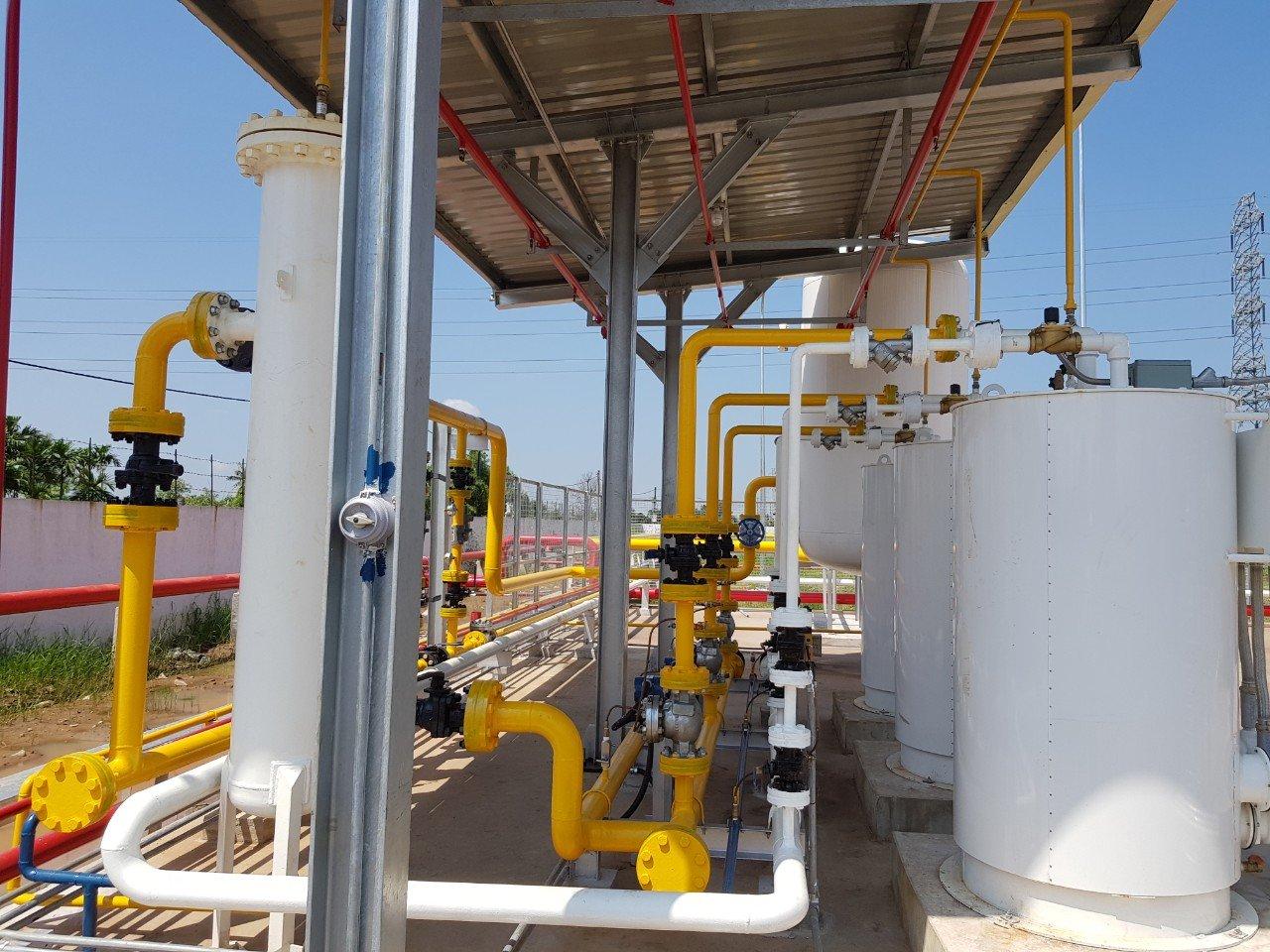
CONSULTATION – INSTALLATION – CONSTRUCTION OF LNG, LPG, AND CNG STATIONS
Professional LNG – LPG – CNG consulting, installation, and station construction services, ensuring safe operation and optimized industrial gas systems for businesses and factories.
Professional Gas Station Installation & Construction – A Safe, Stable, and Cost-Optimized Solution
Rising energy costs, unstable system operations, and safety risks are major challenges for many businesses. Turnkey LNG – LPG – CNG gas station installation solutions help comprehensively address these issues, from design to operation. Businesses not only save long-term costs but also ensure continuous production and full compliance with technical safety standards.
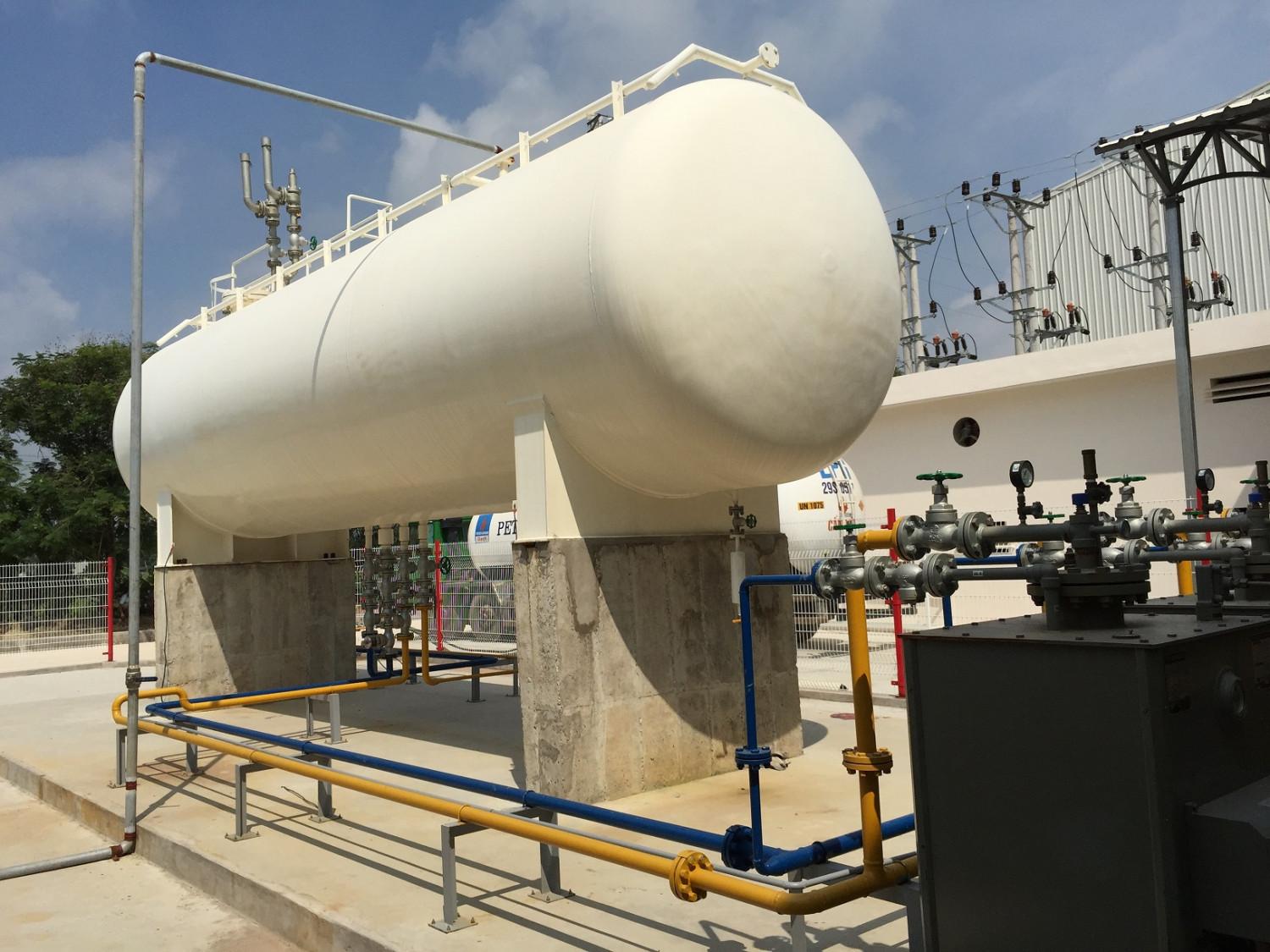
What is an LNG – LPG – CNG Gas Station?
Structure of an Industrial Gas Station System
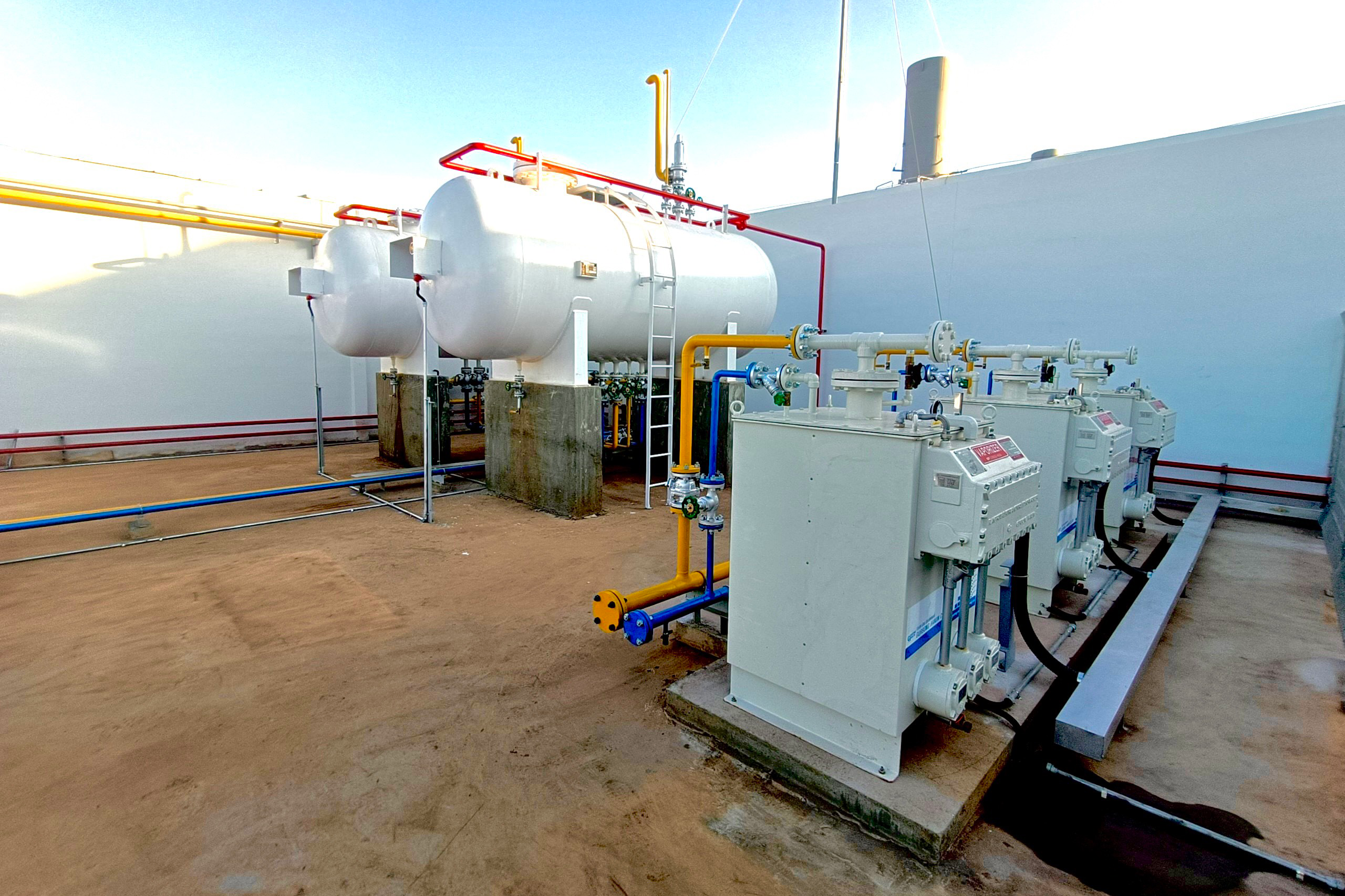
An industrial gas station is a gas supply system designed synchronously to ensure stable and safe operation in production. The system includes LNG/LPG/CNG storage tanks with capacities suitable for the factory’s scale, combined with a vaporizer system to convert gas into an efficient usable state. The regulator maintains stable pressure, while the pipeline and distribution system is optimally designed to deliver gas safely and accurately to each production area.
Role in Production
A gas station serves as the central energy source, continuously supplying gas for processes such as combustion, drying, and heating. The use of an industrial gas system not only helps businesses effectively control energy costs but also ensures uninterrupted production. In particular, this solution is widely applied in industries such as mechanical engineering, food processing, and construction materials, contributing to improved efficiency, stable product quality, and sustainable competitive advantages.
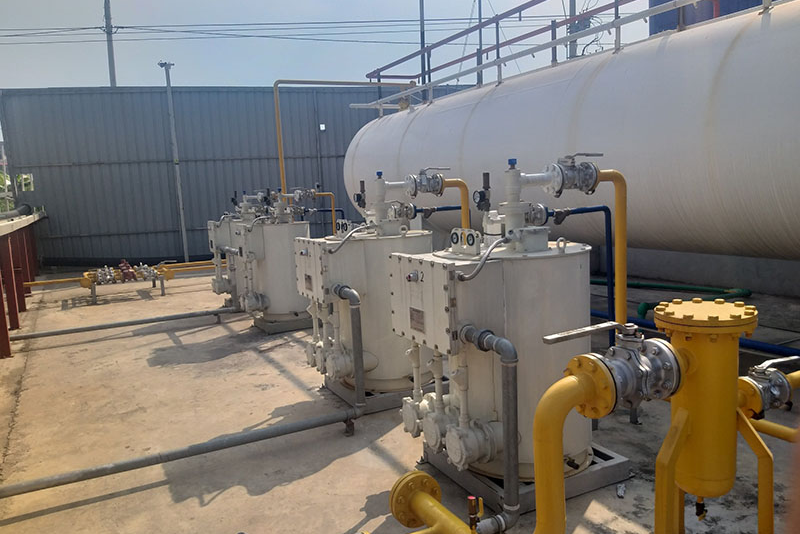
Classification of Gas Stations Based on Business Needs
LNG Station
An LNG (Liquefied Natural Gas) station is suitable for large-scale factories with continuous and stable energy consumption demand. With high calorific value and stable supply, LNG helps businesses optimize long-term fuel costs, especially in high-capacity operations. LNG systems are typically well-structured and suitable for heavy industries or 24/7 production lines.
LPG Station
An LPG (Liquefied Petroleum Gas) station is a popular choice due to its flexibility and ease of deployment. LPG systems can be installed quickly and are suitable for a wide range of scales from small to large. This is an ideal solution for businesses looking to optimize initial investment costs while still ensuring operational efficiency. LPG is widely used in industries such as food processing, mechanical engineering, ceramics, and many other manufacturing sectors.
CNG Station
A CNG (Compressed Natural Gas) station stands out for its low operating cost and effective fuel-saving capability. This solution is suitable for businesses that want to control their energy budget while maintaining production efficiency. CNG systems help optimize long-term operating costs and are suitable for various production models.
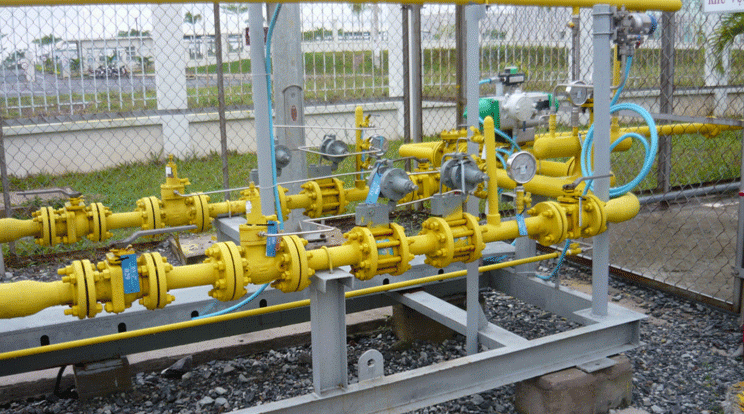
Professional Gas Station Installation Process at Delta Petro
Step 1: Survey & Consultation
The technical team conducts on-site surveys at the factory to assess gas demand, equipment capacity, and operational characteristics. At the same time, installation conditions are carefully analyzed to ensure a reasonable, safe, and cost-optimized system layout. Based on this, the most suitable LNG – LPG – CNG solution is proposed for each business.
Step 2: System Design
Based on survey data, the system is designed in detail, including calculations of storage tank capacity, gas flow rate, and operating pressure. Equipment such as vaporizers, regulators, and pipeline systems are selected synchronously to ensure maximum efficiency. Technical drawings are fully prepared, meeting safety standards and facilitating construction.
Step 3: Construction & Installation
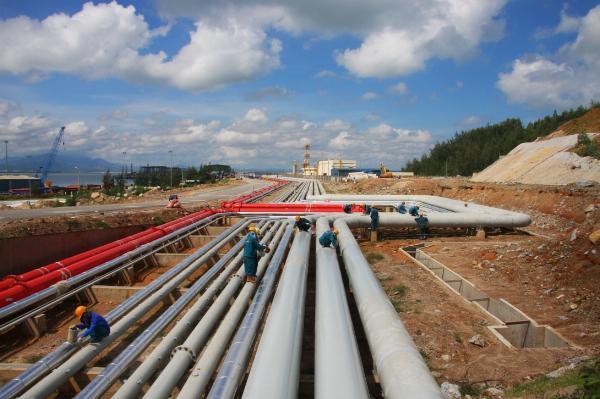
The construction process is carried out strictly according to the approved design drawings, including installation of storage tanks, equipment, and gas pipeline systems. All components are subjected to rigorous technical inspections during installation to ensure accuracy, safety, and project progress.
Step 4: Inspection & Operation
Before being put into use, the system undergoes comprehensive inspection, including pressure testing, leak detection, and actual trial operation. After meeting all standards, the system is handed over along with detailed operation instructions, ensuring safe, stable, and efficient use from the very beginning.
Safety Standards in Gas Station Construction
Mandatory Technical Requirements
The construction of industrial gas stations requires strict compliance with technical requirements to ensure absolute safety in operation. First, the safety distance between storage tanks and production or residential areas must be calculated according to standards to minimize fire and explosion risks. Fire and explosion prevention systems must be fully equipped, including alarm devices, emergency shut-off valves, and anti-static grounding systems.
In addition, equipment such as safety valves, regulators, and pressure control systems play an important role in maintaining stable operation. The entire system must be designed to strictly control pressure and gas flow, ensuring no overpressure or leakage occurs during operation.
Legal Compliance
In addition to technical factors, compliance with legal regulations is mandatory in gas station construction. The system must fully meet fire prevention and firefighting (PCCC) regulations from design, construction, acceptance, to operation.
Furthermore, industrial gas standards must be strictly applied to ensure system quality and safety in accordance with current regulations. Proper implementation of standards not only helps businesses minimize risks but also ensures legal compliance and prevents potential issues during long-term operation.
Benefits of Industrial Gas System Installation
Long-term energy cost savings: Reduce fuel consumption through optimized system design, minimize losses, and improve cost control.
Stable production: Continuous gas supply with stable pressure minimizes production interruptions.
Improved equipment efficiency: Stable combustion ensures smooth operation and enhances product quality.
Reduced maintenance costs: Synchronized systems with fewer technical issues reduce repair frequency and long-term maintenance costs.
High operational safety: Systems are designed according to strict technical standards, minimizing fire and explosion risks.
Flexible and scalable: Easy capacity upgrades as business grows without replacing the entire system.
Turnkey LNG – LPG – CNG gas station solutions bring clear value to businesses: cost savings, safety assurance, and stable operation. This is not only an energy supply system but also a solution that improves production efficiency and optimizes long-term costs.
With practical implementation experience, Delta Petro is committed to delivering turnkey solutions from design to operation, ensuring technical accuracy, safety, and suitability for each production model.
If you are looking for an efficient energy solution for your factory, contact Delta Petro today for consultation and a free site survey.
Contact for LPG Consultation & Quotation at Delta Petro
DELTA VIETNAM PETROLEUM JOINT STOCK COMPANY
Hotline: 0988.678.494
Address: 3rd Floor, No. 447 Nguyen Van Linh, Phuc Loi Ward, Hanoi
Email: conganh@deltapetrol.vn
Contact us now for professional LNG – LPG – CNG consulting, installation, and construction solutions that are safe, efficient, and cost-effective for your business.