
INDUSTRIAL GAS TRENDS 2026
-
 By Admin Tivatech
 - NEWS
- Mar 31, 2026
- 3 minutes read
- 659 Views
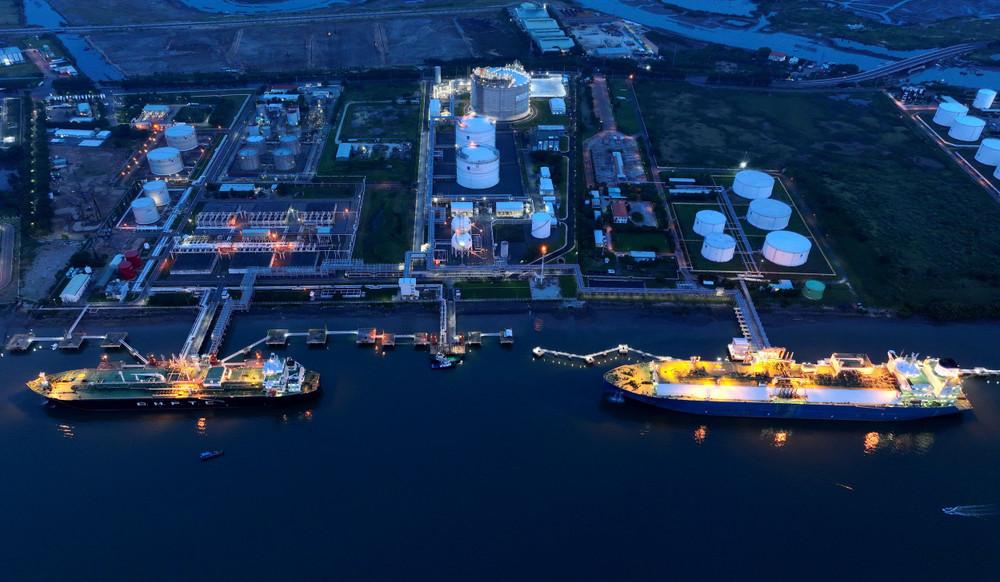
Explore industrial gas trends 2026: LNG LPG CNG, system optimization, cost reduction, and stable operations for businesses.
Gas Industry Trends 2026 | LNG, LPG, CNG & Cost Optimization
As governments continue to promote policies and mechanisms encouraging businesses and investors to transition toward cleaner energy sources, reduce greenhouse gas emissions, and pursue sustainable development, gaseous fuels such as LPG, CNG, and LNG are becoming increasingly practical and efficient choices. These fuels are regarded as viable alternatives to traditional energy sources such as diesel oil (DO) and fuel oil (FO), helping improve energy efficiency, reduce environmental impact, and support the ongoing energy transition.
Growing LNG Supply Creates Opportunities for Cost Optimization
Global LNG supply is increasing significantly as new extraction projects and gas infrastructure continue to expand. This development is helping LNG prices become more stable compared to previous periods.
For businesses, this presents an opportunity to:
Transition from traditional fuels to gas energy
Reduce long-term fuel expenses
Gain greater control over operational planning
However, these benefits can only be achieved when storage and operating systems are properly designed from the outset.
Businesses Are Shifting Toward Cleaner Energy Sources
Increasingly strict environmental regulations are driving businesses to change. LNG, LPG, and CNG are becoming popular alternatives to coal and oil because they offer:
Lower emissions
Cleaner operation
Less impact on equipment
This trend is not merely about regulatory compliance—it also helps businesses enhance their image and strengthen their competitiveness in the marketplace.
Supply Fluctuations Remain a Risk That Must Be Managed
Despite increasing supply, the gas market remains influenced by geopolitical factors and logistics challenges. Transportation disruptions and price volatility can still occur unexpectedly.
In reality, many businesses encounter difficulties not because of gas shortages, but because:
They lack a clear supply strategy
They depend on a single supplier
Their systems are not flexible enough
This highlights the importance of building a reliable gas operation and logistics system, which is just as critical as selecting the right type of gas.
System Optimization and Transportation Become Competitive Advantages
The trend for 2026 is no longer focused solely on “which gas to use,” but rather on “how the system is operated.”
Businesses are increasingly paying attention to:
Designing gas systems with the correct capacity
Reducing losses during operation and transportation
Maintaining stable pressure levels
Controlling costs throughout each operational stage
A well-designed and efficiently operated gas system can help businesses:
Reduce costs by 10–30%
Minimize downtime
Maintain long-term production stability
Gas Logistics – A Key Factor in Operational Efficiency
Gas transportation is becoming an essential component of modern energy systems. If this stage is not optimized, the entire system may be negatively affected.
Today, businesses tend to:
Plan gas supply based on actual demand
Optimize delivery schedules
Reduce transportation losses
Ensure timely delivery
This is the difference between simply “using gas” and “using gas efficiently.”
The Role of Implementation Partners in the New Energy Era
In a rapidly changing market, choosing an implementation partner is no longer based solely on price, but on:
Practical industry experience
System design capabilities aligned with operational needs
Gas supply and transportation capacity
Long-term technical support
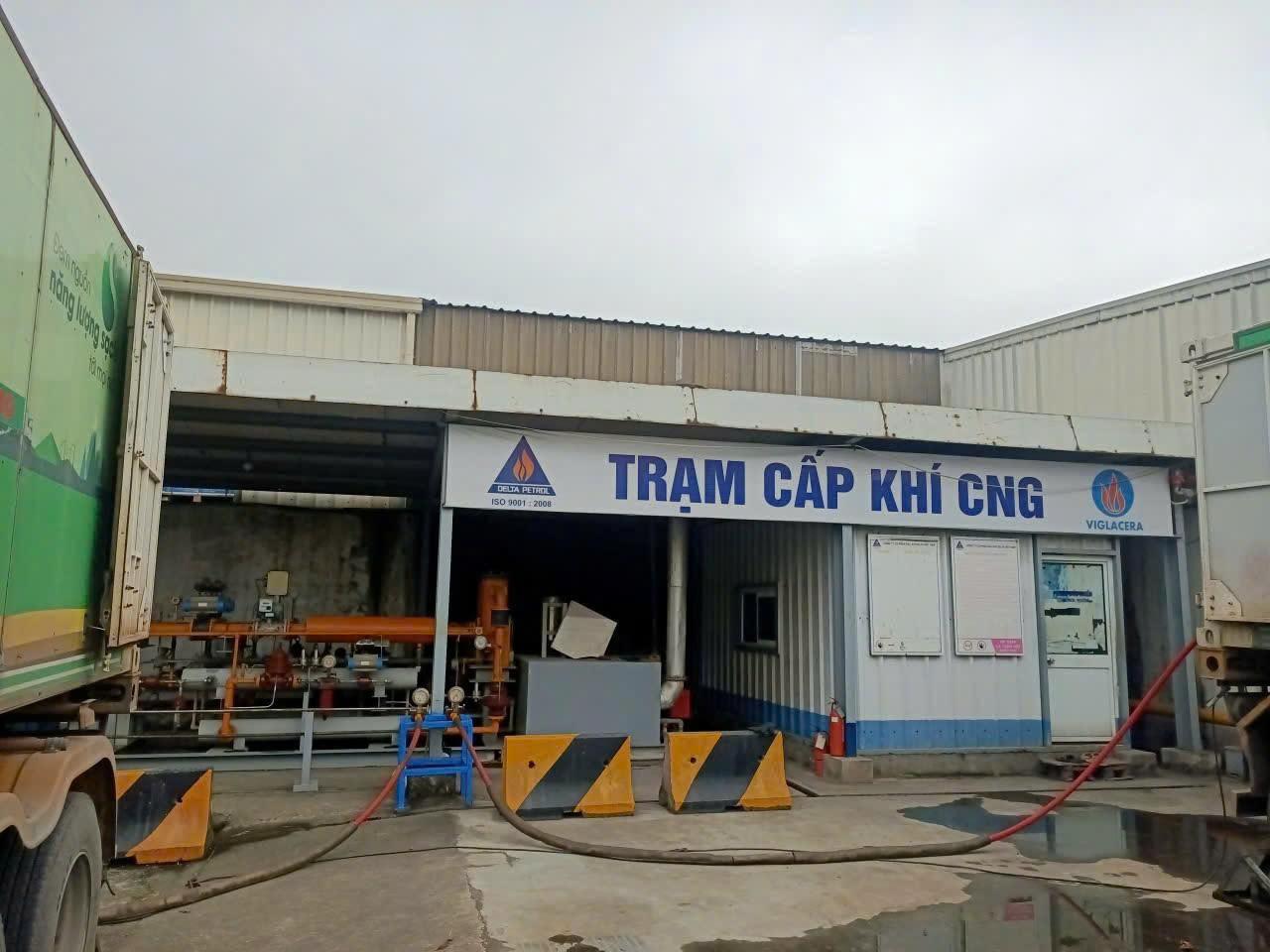
With extensive experience in real-world gas system implementation, Delta Petro provides comprehensive solutions from design and installation to transportation and operation, helping businesses optimize costs and ensure stable system performance according to their operational requirements.
The Gas Industry Trends of 2026 clearly indicate one thing:
Businesses need more than just a reliable gas source—they need a comprehensive operational solution.
Choose the right gas type → reduce costs
Design the right system → ensure stable operation
Optimize transportation → minimize losses
Getting it right from the beginning enables businesses to save costs for years while maintaining greater control over production operations.