
LATEST LPG SAFETY STANDARDS
-
 By Admin Tivatech
 - NEWS
- Mar 31, 2026
- 2 minutes read
- 618 Views
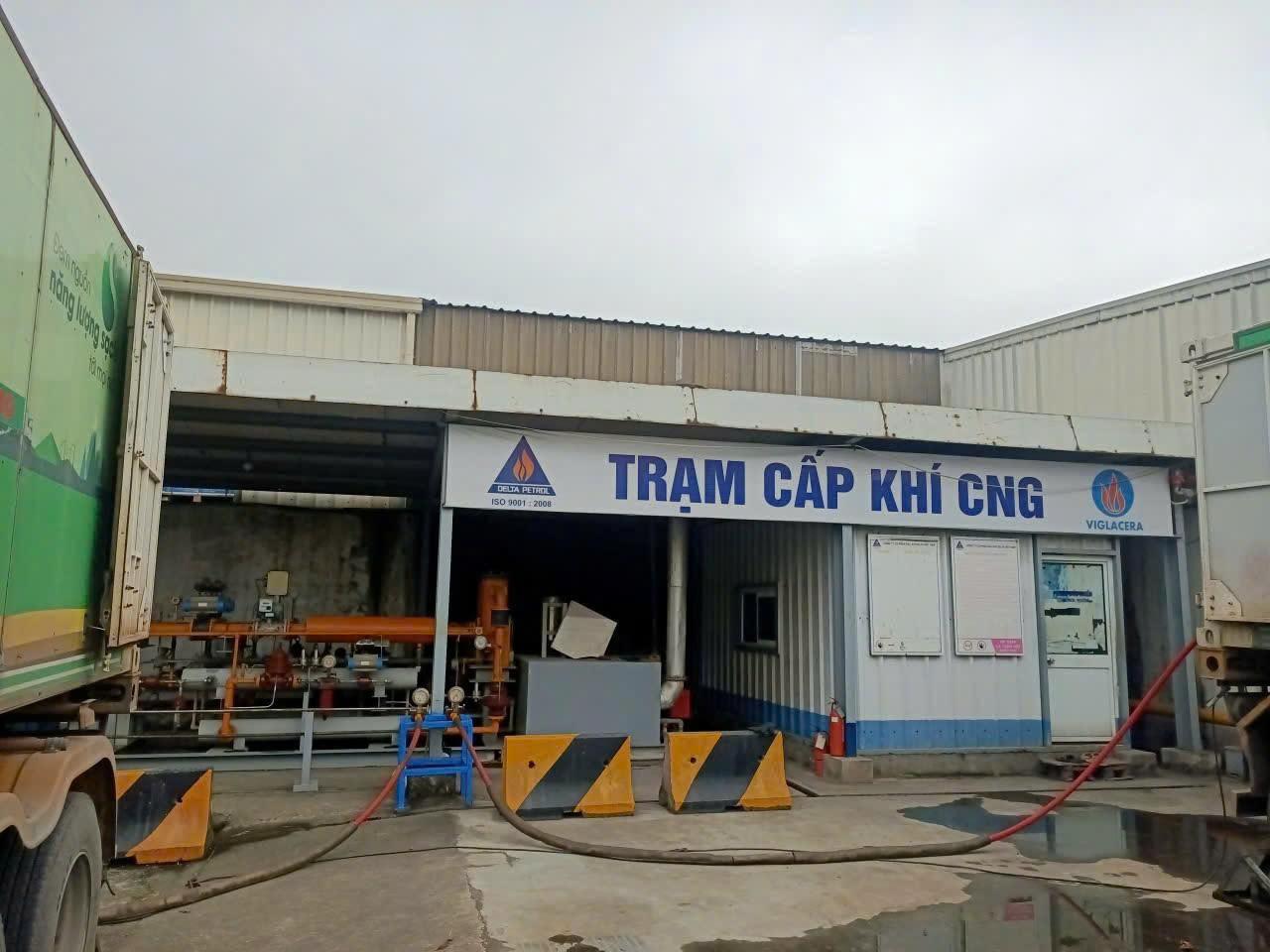
Updated LPG safety standards for industrial systems. Ensure compliance, improve safety, and optimize gas system performance.
Latest LPG Safety Standards | Regulations & Fire Safety Compliance
In the context of increasingly strict regulations on safety and environmental compliance, LPG safety standards are continuously updated to minimize fire and explosion risks and ensure stable operations.
For businesses using LPG systems, understanding and complying with the latest standards is not only a mandatory requirement but also a key factor in maintaining production efficiency and controlling long-term operating costs.
Current LPG safety standards in practice
System design standards
LPG systems must be designed according to actual consumption capacity, ensuring safe distances between storage tanks and production areas. Key factors such as pressure, gas flow, and pipeline materials must meet technical standards to minimize operational risks.
Equipment and material standards
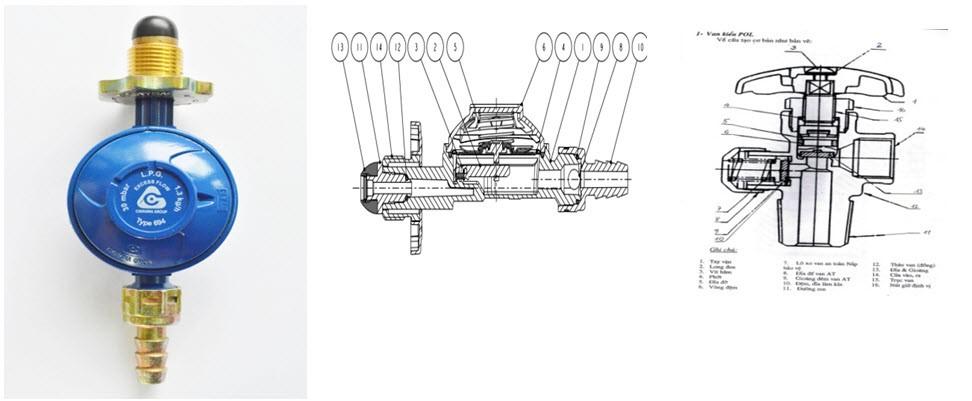
All LPG system components—including storage tanks, safety valves, regulators, and vaporizers—must meet certification requirements and undergo periodic inspections. The use of substandard equipment is one of the most common causes of system failures.
Installation and construction standards
The installation process must strictly comply with technical regulations, including pressure testing, leak testing, and ensuring secure connections. Errors during installation can lead to gas leaks and serious safety hazards.
Updated fire prevention and firefighting (PCCC) requirements
Fire safety regulations for LPG systems are becoming more stringent, including:
Mandatory design approval before construction
Installation of fire detection and firefighting systems
Regular inspection and certification
Training for operational personnel on LPG safety
Failure to comply may result in operational suspension or legal penalties.
Key updates businesses should pay attention to
Increase frequency of system inspections
Standardize operation and maintenance procedures
Invest in synchronized, certified equipment
Strictly control LPG supply and transportation
The current trend is not just about “compliance” but about sustainable and safe operation.
Risks of non-compliance with LPG standards
High risk of fire and explosion
Production interruptions
Increased repair and maintenance costs
Legal violations and penalties
Many real-world incidents originate from negligence in system design or operation.
The role of LPG system implementation partners
Choosing an experienced contractor is critical to ensuring that the LPG system meets standards from the beginning. A properly implemented system helps businesses:
Minimize risks
Maintain stable operations
Optimize long-term costs
With practical experience, Delta Petro provides end-to-end LPG solutions—from design and installation to operation-ensuring full compliance with current safety standards.
LPG safety standards continue to evolve to improve safety and operational efficiency. Businesses must proactively review and upgrade their systems when necessary and ensure full compliance with regulations to avoid risks.
Contact Delta Petro for consultation on LPG systems that meet safety standards and align with your operational needs.