
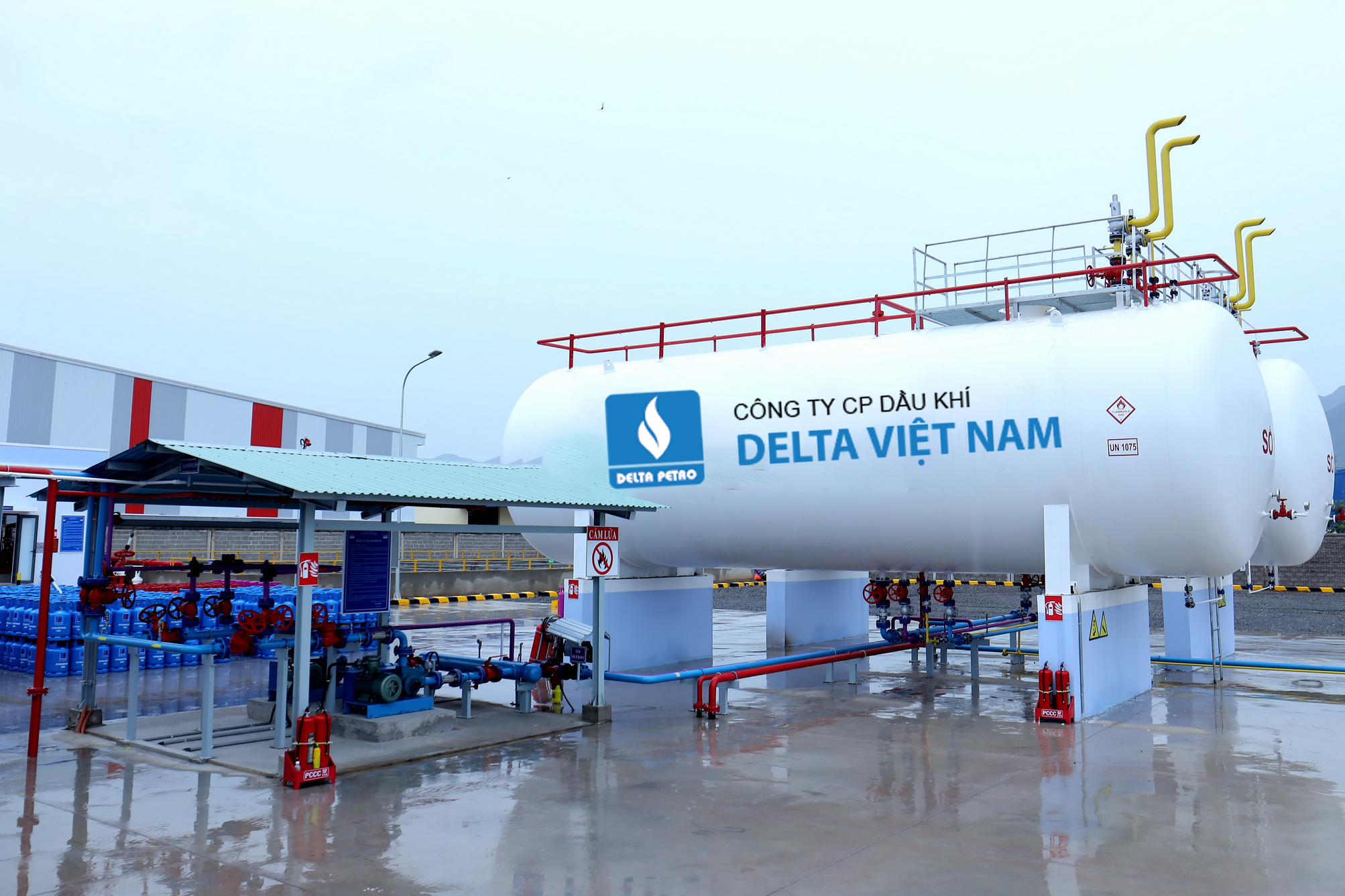
INVESTMENT AND OPERATION OF LNG – LPG – CNG STATION SYSTEMS
Delta Petro provides safe, reliable, and efficient investment and operation solutions for LNG, LPG, and CNG station systems, serving factories, industrial parks, and manufacturing enterprises.
An Efficient Energy Solution for Businesses to Optimize Costs and Achieve Sustainable Growth
Energy costs have always been one of the key factors directly affecting a company’s production efficiency. For factories operating boilers, furnaces, drying systems, heating systems, or continuous production lines, fuel is not only a production input but also a critical element influencing product costs, competitiveness, and profitability.
In recent years, LNG, LPG, and CNG have become preferred energy solutions for many businesses seeking alternatives to fuel oil (FO), diesel oil (DO), and coal. Beyond economic benefits, LNG–LPG–CNG station systems help enterprises improve operational stability, reduce environmental emissions, and meet increasingly stringent sustainability requirements.
Delta Petro provides comprehensive consultation, investment, and operation solutions for LNG, LPG, and CNG station systems, enabling businesses to establish a safe, reliable, and efficient energy supply for long-term industrial operations.
Why Are Businesses Transitioning to LNG, LPG, and CNG?
Pressure to Optimize Energy Costs in Production
In many manufacturing facilities, fuel expenses account for a significant portion of total operating costs. When oil or coal prices fluctuate, businesses often struggle to maintain cost control.
Switching to LNG, LPG, or CNG provides access to energy sources with higher combustion efficiency, lower energy losses, and better controllability. For facilities operating continuous thermal processes, long-term fuel savings can significantly improve overall business performance.
The Growing Trend of Emission Reduction in Industry
Environmental standards today are driven not only by government regulations but also by international customers and supply chain partners. Many exporting manufacturers are now required to demonstrate carbon reduction efforts throughout their production processes.
Compared to traditional fuels, LNG, LPG, and CNG generate lower emissions, produce less particulate matter, and minimize environmental pollutants. This enables businesses to meet environmental standards more effectively while strengthening their corporate image.
The Need for Stable and Continuous Operations
For large-scale manufacturing plants, energy supply interruptions can lead to substantial financial losses. A properly designed gas station system allows businesses to maintain a reliable fuel source, minimize production disruptions, and sustain operational efficiency.
Supporting Long-Term Development Strategies
Clean energy is becoming an essential component of modern industrial development. Investing in LNG–LPG–CNG infrastructure not only addresses current operational needs but also lays the foundation for sustainable growth in the future.
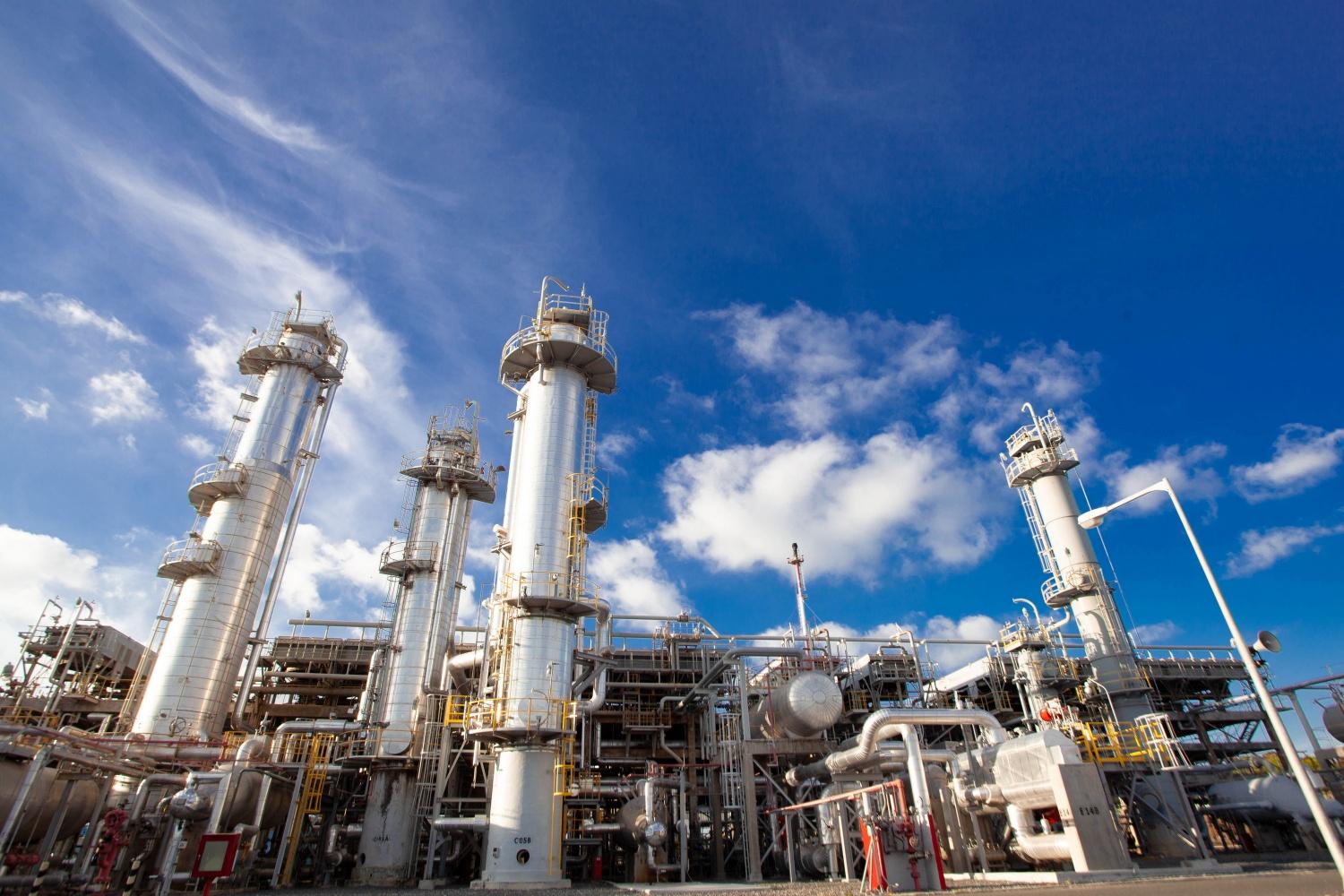
Key Components of an LNG – LPG – CNG Station System
Fuel Receiving System
This is the first section of the gas station system, responsible for receiving fuel from tanker trucks or specialized transportation units.
For LNG, the receiving process requires strict temperature control due to its cryogenic nature. For LPG and CNG, pressure management and system integrity are critical factors.
A properly designed receiving area ensures safety and operational reliability throughout the system’s lifecycle.
Gas Storage System
LNG tanks, LPG storage vessels, and CNG storage banks form the core of the gas station system. Storage capacity is determined based on:
Fuel consumption rates
Equipment demand
Fuel replenishment schedules
Safety reserve requirements
Selecting the appropriate storage volume helps businesses optimize capital investment while maintaining uninterrupted operations.
Vaporization System
For LNG and LPG applications, fuel must be converted from liquid form into gas before being supplied to end-use equipment. The vaporization system directly impacts:
Gas flow rate
Outlet pressure stability
Fuel utilization efficiency
Operating costs
Choosing the right vaporization technology enhances overall system performance and reliability.
Pressure Regulation and Gas Distribution System
After vaporization, gas pressure must be adjusted to match the requirements of the consuming equipment. A well-designed pressure regulation system helps:
Maintain stable operating pressure
Prevent pressure drops
Protect downstream equipment
Improve production efficiency
Automation and Safety Systems
Modern gas stations require advanced monitoring and control systems.
Typical components include:
PLC (Programmable Logic Controller)
HMI (Human-Machine Interface)
SCADA systems
Gas Detection Systems
Fire Alarm Systems
Emergency Shutdown (ESD) Systems
Through real-time monitoring and automated control, potential risks can be identified and addressed before they escalate into serious incidents.
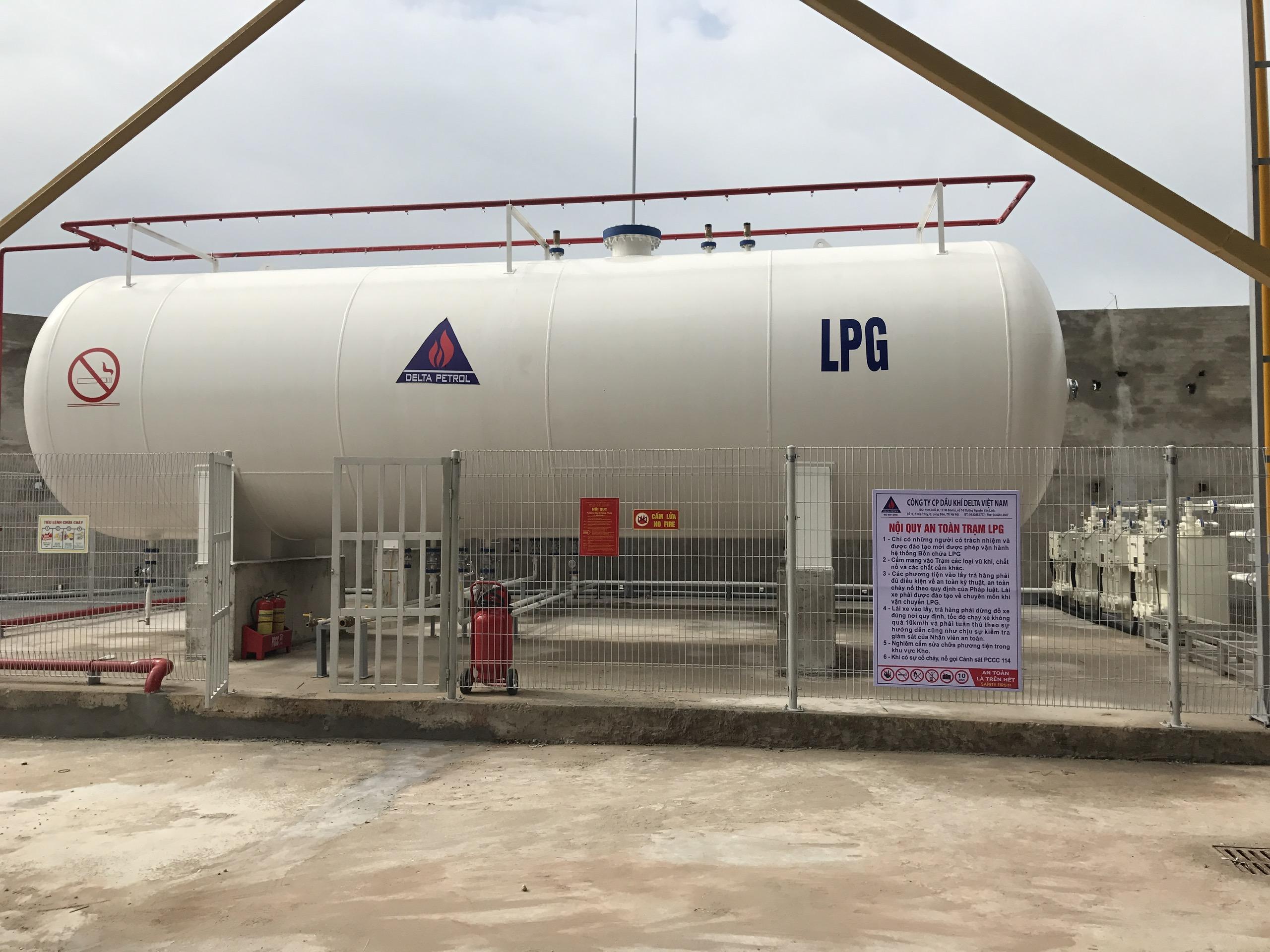
Current Investment Models for LNG – LPG – CNG Stations
Fully Self-Invested Systems
This model is suitable for businesses with high gas consumption and long-term operational plans.
The primary advantage is complete ownership and control of energy assets. However, it requires significant capital investment and qualified personnel to manage operations safely and efficiently.
Gas Station Leasing Model
This approach reduces the burden of initial capital expenditure.
Businesses can utilize gas station infrastructure without fully funding the installation upfront, allowing them to preserve cash flow and reduce financial risks.
Delta Petro Investment – Customer Gas Consumption Model
This model is increasingly popular among industrial manufacturers. Delta Petro can provide:
Site surveys
Engineering design
Investment and financing
Construction and installation
Operation and maintenance
Technical support
Customers can focus entirely on their production activities while benefiting from a stable and professionally managed gas supply system.
Phased Investment Strategy
For businesses expanding production capacity, phased investment allows for better capital management while providing flexibility for future system upgrades and capacity increases.
Investment and Commissioning Process for LNG – LPG – CNG Systems
Energy Consumption Assessment
Delta Petro engineers conduct a comprehensive site survey to evaluate:
Energy demand.
Equipment specifications.
Existing facility conditions.
Available installation space.
This assessment serves as the basis for selecting the most suitable solution.
Investment Feasibility Analysis
Before project implementation, key financial indicators are carefully evaluated, including:
Capital investment requirements
Payback period
Fuel costs
Potential savings
This enables businesses to clearly understand the economic benefits before making investment decisions.
Detailed Engineering Design
This phase includes:
Site layout design
Pipeline engineering
Control system design
Fire protection system design
Safety system design
All engineering work is carried out in compliance with industry standards and regulatory requirements.
Construction and Installation
All project components are installed systematically to ensure quality, safety, and long-term reliability.
Testing and Handover
Before commissioning, the system undergoes:
Pressure testing
Leak testing
Functional testing
Performance testing under various operating conditions
Only after meeting all technical requirements is the system officially handed over to the customer.
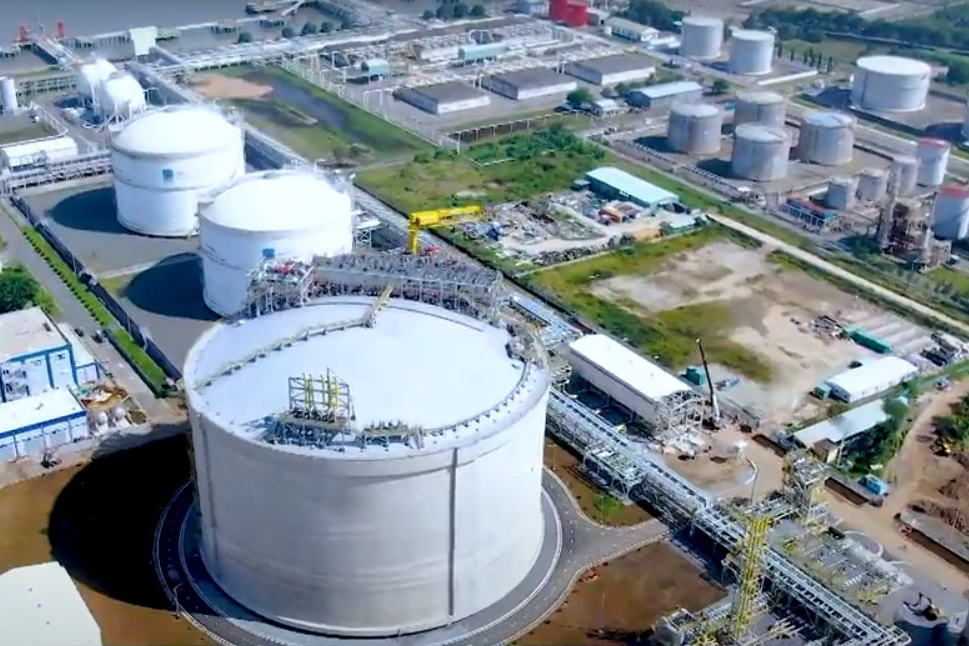
Why Choose Delta Petro as Your LNG – LPG – CNG Partner?
Extensive Experience in Gas Energy Projects
Delta Petro has participated in numerous LNG, LPG, and CNG projects serving manufacturing plants across various industries.
Comprehensive Turnkey Solutions
From initial consultation to long-term operation, customers benefit from working with a single trusted partner throughout the entire project lifecycle.
Commitment to Safety
Safety remains the top priority in every aspect of system design, construction, operation, and maintenance.
Long-Term Technical Support and Maintenance
Following project completion, Delta Petro continues to support customers through preventive maintenance programs, periodic inspections, and 24/7 technical assistance.
Investing in and operating LNG – LPG – CNG station systems is a strategic decision that enables businesses to establish a stable energy foundation, optimize production costs, and align with sustainable development trends. With professional expertise in consulting, engineering, construction, and operations, Delta Petro is committed to delivering comprehensive, safe, and efficient gas energy solutions for industrial enterprises nationwide.