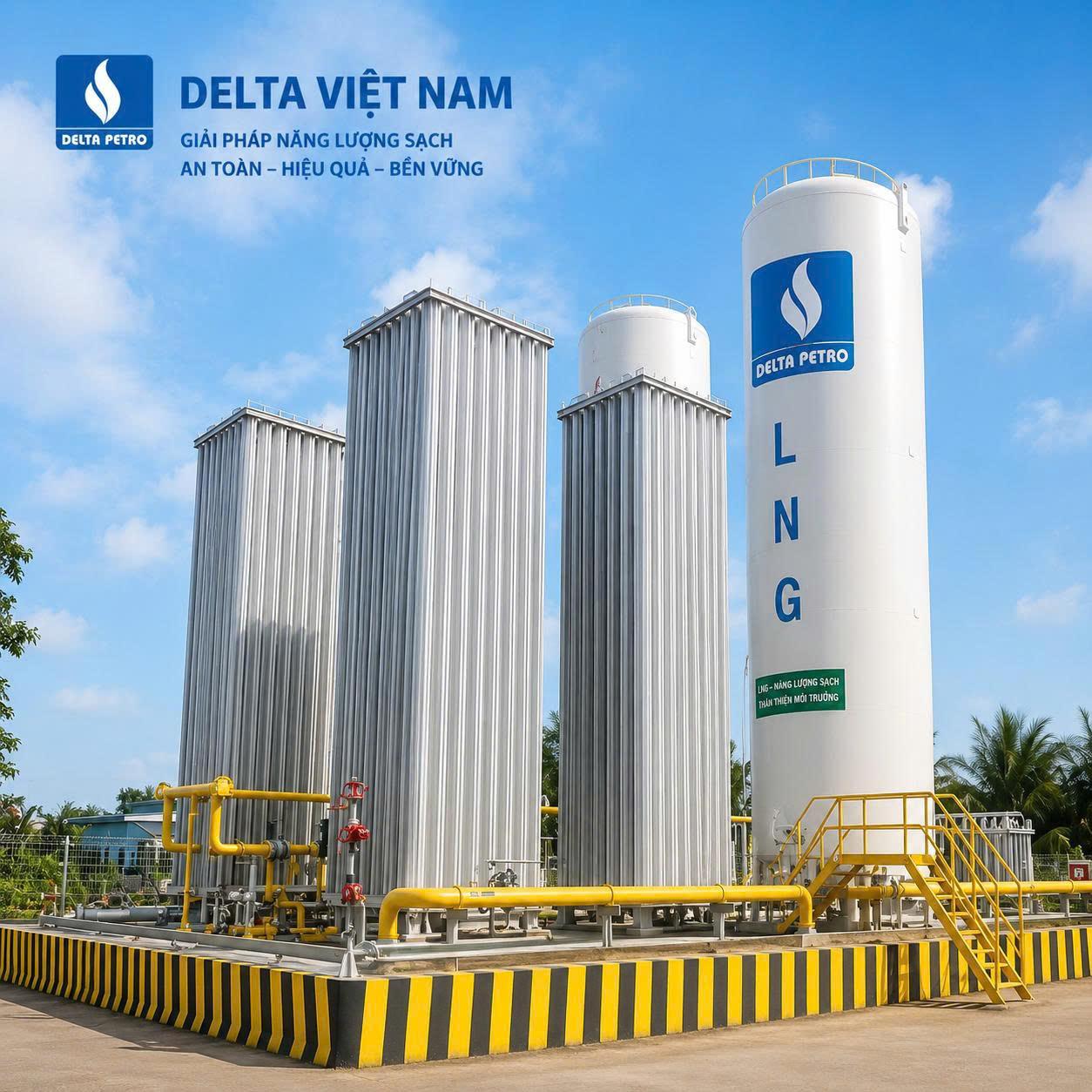
Liquefied Natural Gas (LNG) – The Optimal Energy Solution for Businesses
Energy costs are increasingly volatile while safety and environmental requirements are becoming stricter. Manufacturing businesses are facing the challenge of finding a more efficient and stable fuel source. This is why liquefied natural gas (LNG) is gaining attention and being widely adopted across many industries.
With its clean-burning properties, high combustion efficiency, and flexible supply capability, LNG not only helps businesses optimize operating costs but also reduces emissions, meeting modern environmental standards.
So what is LNG, how is it different from LPG or CNG, and why are more factories switching to LNG? The following article will provide a comprehensive understanding of this energy solution and how it can be effectively applied in production.
What Is LNG? Overview of Liquefied Natural Gas
Technical definition of LNG
LNG (Liquefied Natural Gas) is natural gas cooled to approximately -162°C to convert it into liquid form, significantly reducing its volume for storage and transportation.
Composition and physical properties of LNG
LNG mainly consists of methane (CH₄), is colorless, odorless, non-corrosive, has high calorific value, and burns cleanly with low emissions.
Natural gas liquefaction process
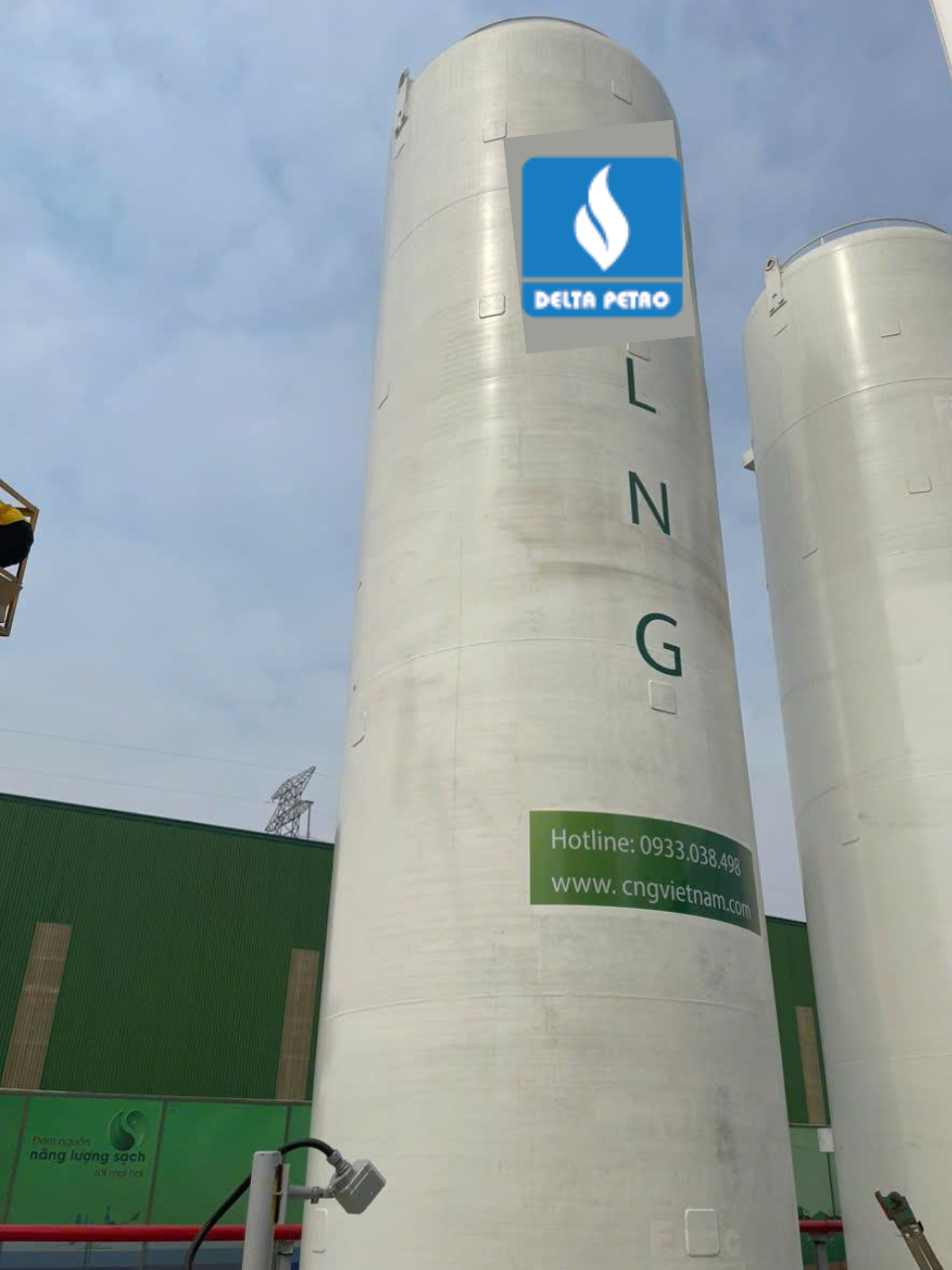
Natural gas is treated to remove impurities, then cooled using cryogenic technology and stored in specialized tanks.
Differences between LNG, CNG and LPG
LNG is stored as a liquid at low temperatures; CNG is compressed gas at high pressure; LPG is petroleum-based liquefied gas. LNG is more efficient for large-scale storage and long-distance transportation.
The role of LNG in modern industry
LNG is gradually replacing traditional fuels thanks to its high efficiency, reduced emissions, and alignment with clean energy trends.
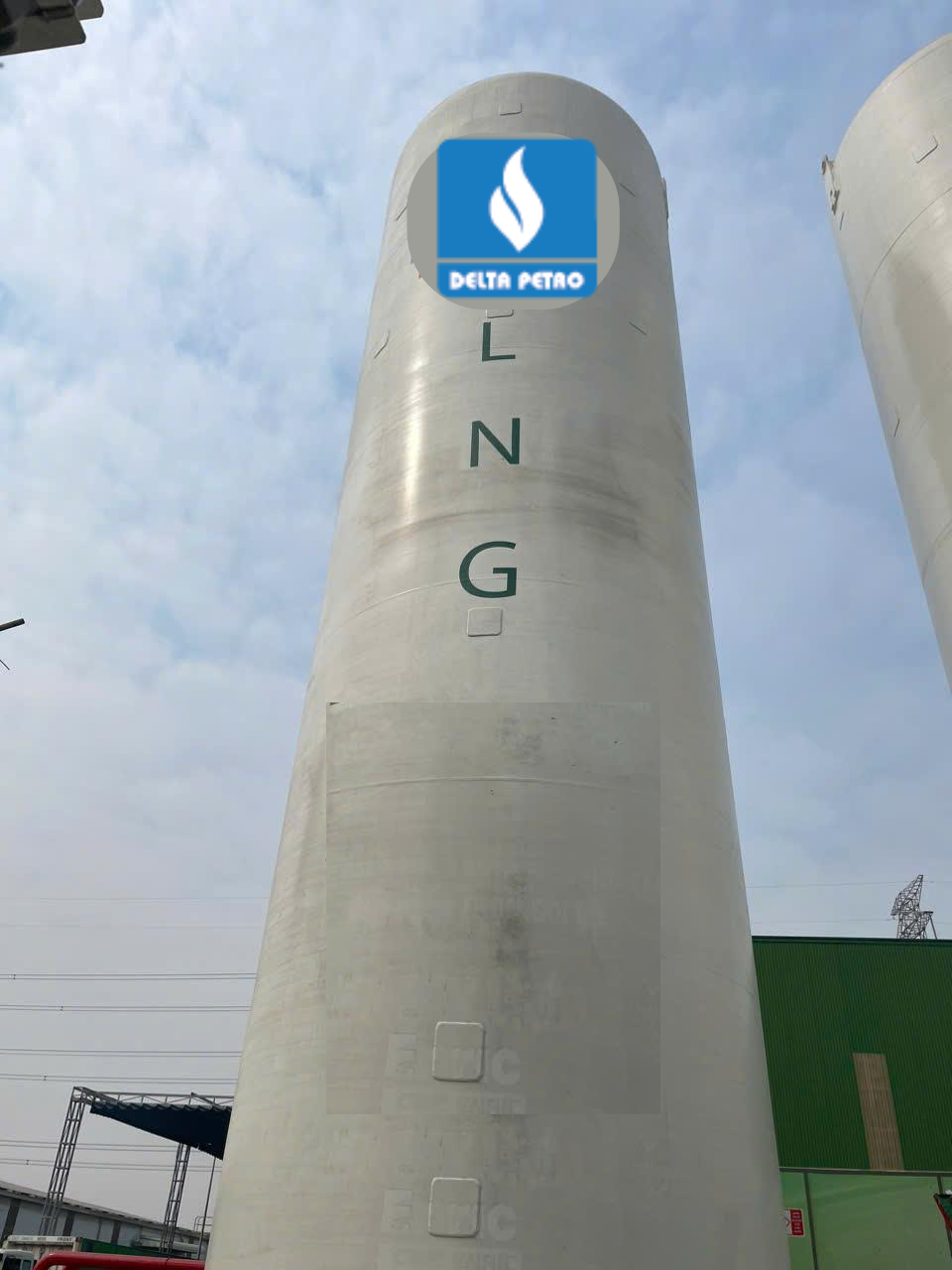
Applications of LNG in Production Activities
Applications in metallurgy and mechanical engineering
LNG is used in heating, drying, welding, and metal cutting processes due to its stable heat output, improving efficiency and reducing fuel loss compared to oil or coal.
Applications in the food and processing industry
In food and agricultural processing, LNG supports drying, steaming, and sterilization systems with clean combustion, ensuring food safety standards.
Applications in ceramics and glass industry
LNG provides stable and consistent heat for kilns, improving product quality, reducing defects, and optimizing production costs.
Applications in energy production
LNG is used in power plants and industrial heating systems as a clean, efficient, and environmentally friendly fuel source.
Business transition trends toward LNG
Many businesses are switching from DO, FO oil or coal to LNG to reduce operating costs, meet environmental standards, and improve long-term production stability.
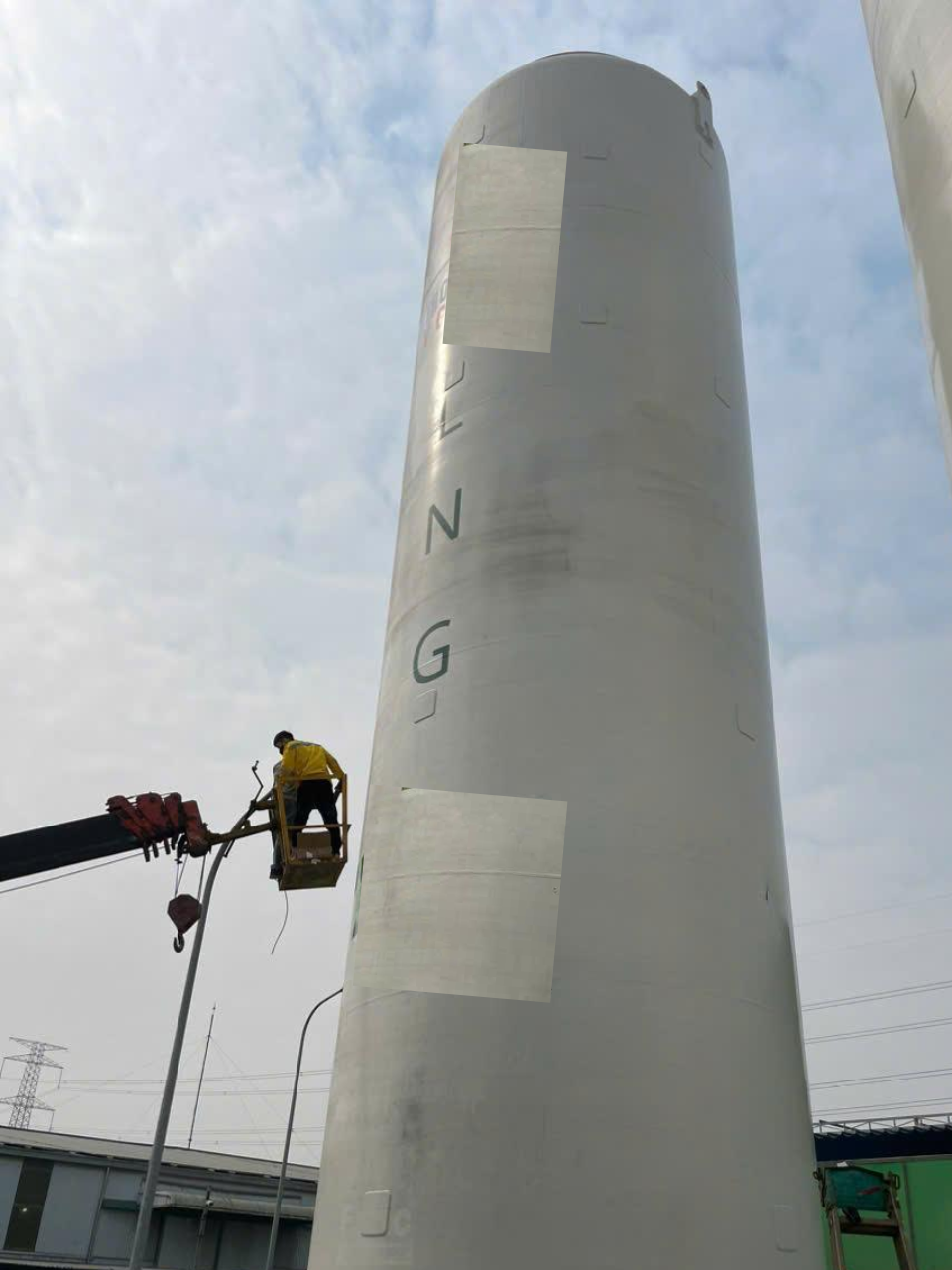
Advantages of LNG in Industrial Applications
High and stable combustion efficiency
LNG delivers high calorific value with clean and stable combustion, maintaining precise temperatures and minimizing operational disruptions.
Long-term cost optimization
Its high efficiency reduces fuel waste and maintenance costs, improving long-term return on investment.
Reduced emissions and environmental friendliness
LNG produces lower CO₂, SOx, and particulate emissions compared to oil and coal, helping businesses meet strict environmental standards.
Safe storage and usage
Stored in specialized systems, LNG is non-toxic, non-corrosive, and evaporates quickly when leaked, reducing explosion risks.
Suitable for modern production standards
LNG supports automation, safety, and sustainable development in modern industrial systems.
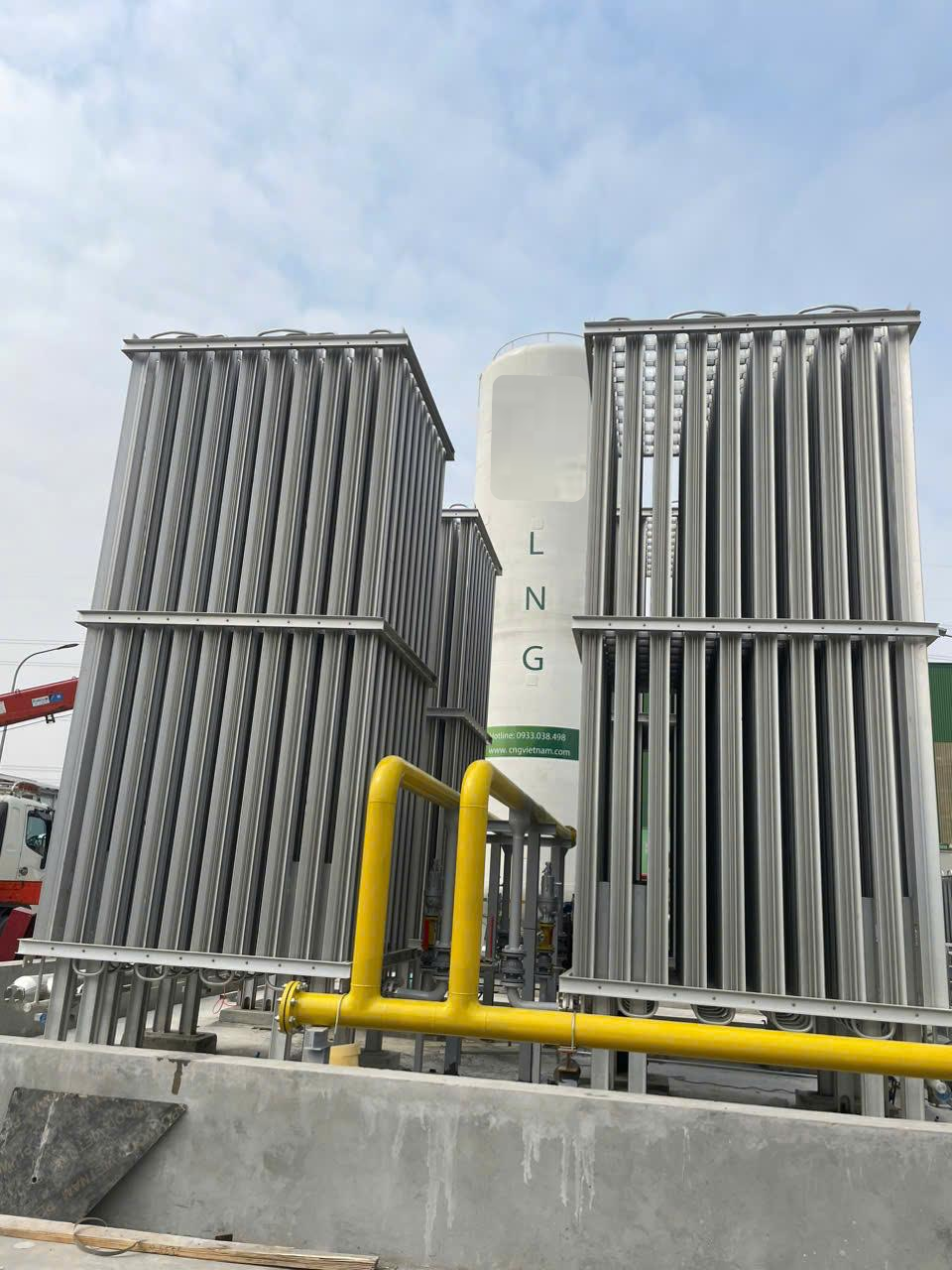
LNG Solutions at Delta Petro
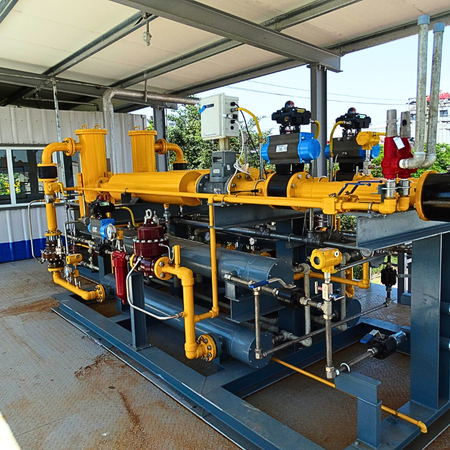
Delta Petro not only supplies high-quality LNG but also provides complete solutions from consulting, design, installation to system operation. With practical experience across multiple industries, we help businesses optimize fuel costs, ensure safety, and maintain stable operations.
Our systems are flexibly designed for each factory, combined with a stable LNG supply and an experienced technical team to deliver efficient and sustainable energy solutions.
Contact for LPG Consultation & Quotation at Delta Petro
DELTA VIETNAM PETROLEUM JOINT STOCK COMPANY
Hotline: 0988.678.494
Address: 3rd Floor, No. 447 Nguyen Van Linh, Phuc Loi Ward, Hanoi
Email: conganh@deltapetrol.vn
Contact us now for optimal, safe, and cost-effective LPG solutions for your business.