Liquefied Petroleum Gas (LPG) – An Efficient, Cost-Effective Energy Solution for Businesses
During operations, many businesses face a familiar challenge: is their current fuel source truly stable, controllable, and aligned with long-term development goals? When systems rely on unpredictable factors, even a minor change can impact the entire production and service process.
Liquefied Petroleum Gas (LPG) is increasingly becoming a reliable alternative thanks to its stable energy supply, flexibility, and ease of implementation across various models. From restaurants and hotels to industrial factories, LPG not only meets operational demands but also enables businesses to better control systems and safety standards.
With extensive practical experience, Delta Petro provides comprehensive LPG solutions, from surveying and design to operation and maintenance. Beyond simply supplying fuel, Delta Petro aims to build a suitable, stable, and optimized energy system for each business.
Overview of Liquefied Petroleum Gas (LPG)
Liquefied Petroleum Gas (LPG) is a mixture of light hydrocarbons, mainly propane (C3H8) and butane (C4H10), extracted from crude oil refining or natural gas processing. Under appropriate pressure and temperature conditions, LPG is liquefied, making it easy to store and transport.
A key characteristic of LPG is its ability to transition flexibly between liquid and gas states. When vaporized, LPG burns completely, produces high heat, and emits fewer pollutants compared to traditional fuels such as coal or diesel oil. This is why LPG has become a popular choice in both residential and industrial applications.
Compared to Compressed Natural Gas (CNG), LPG offers greater flexibility in transportation and storage, especially in areas without gas pipeline infrastructure. Meanwhile, LNG is more suitable for very large-scale applications requiring complex infrastructure.
In the current energy transition trend, LPG serves as an effective intermediate solution, helping businesses reduce costs while gradually moving toward cleaner energy models.
Practical Applications of LPG in Daily Life & Industry
LPG is widely used across various sectors, from daily life to large-scale industrial production. In residential use, LPG is commonly used for cooking due to its quick heating, easy control, and safety when used properly.
In the restaurant and hospitality sector, LPG plays a crucial role in industrial kitchen systems. Compared to electricity, LPG helps significantly reduce costs while ensuring continuous cooking performance, especially during peak hours.
In industrial settings, LPG is applied in various processes such as heating, drying, firing, and boiler operations. Thanks to its clean combustion, LPG reduces equipment fouling, extends machinery lifespan, and lowers maintenance costs.
Additionally, LPG is used in specialized industries such as food production, textile dyeing, ceramics, and even transportation. The shift from traditional fuels to LPG is becoming increasingly evident as businesses recognize its economic and environmental benefits.
Benefits of Using LPG Compared to Traditional Fuels
One of the biggest advantages of LPG is its high combustion efficiency, helping businesses significantly save on fuel costs. Compared to diesel oil or coal, LPG provides stable heat output and is easier to control, optimizing production efficiency.
Moreover, LPG is a cleaner fuel, emitting less CO2 and harmful substances, helping businesses comply with increasingly strict environmental regulations.
Its flexible storage and transportation capabilities are also key strengths. Businesses can choose from various supply methods, from small gas cylinders to large storage tanks depending on their needs.
In addition, LPG reduces equipment maintenance costs due to minimal residue during combustion, ensuring long-term stable operation.
Common LPG Supply Methods Today
Currently, LPG is supplied in various forms to meet diverse needs, from households to large-scale enterprises. Choosing the right supply method helps optimize costs and ensure operational stability.
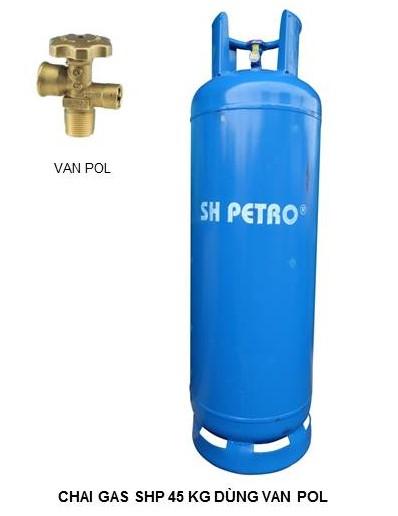
Household – commercial gas cylinders
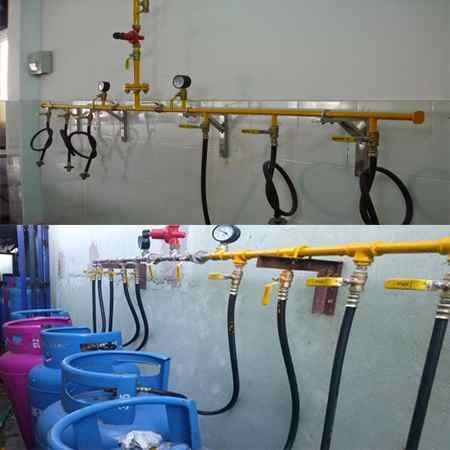
This is the most common method for households, restaurants, and small businesses. Gas cylinders are easy to install and flexible but may cause interruptions and higher operating costs with frequent replacements.
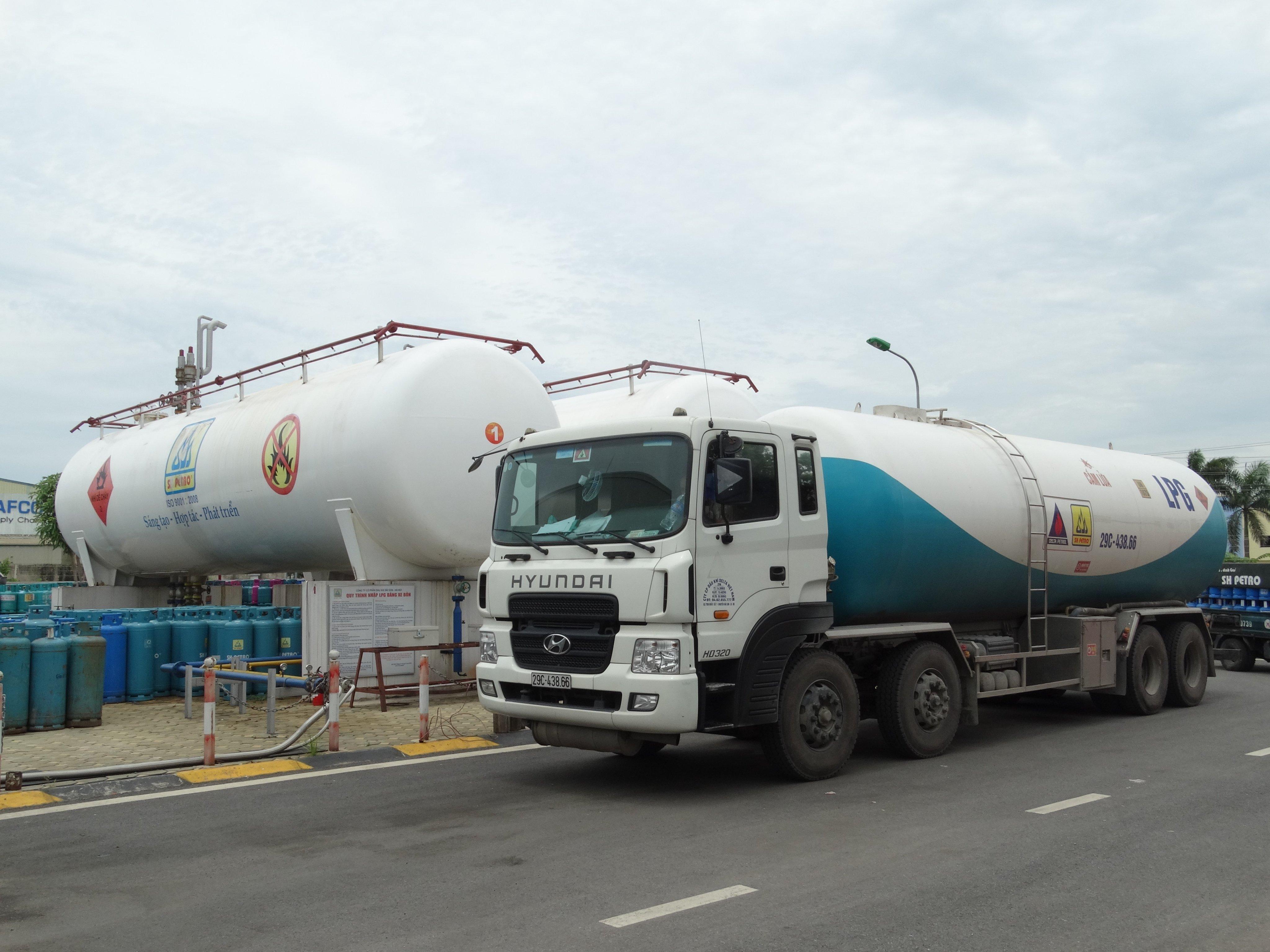
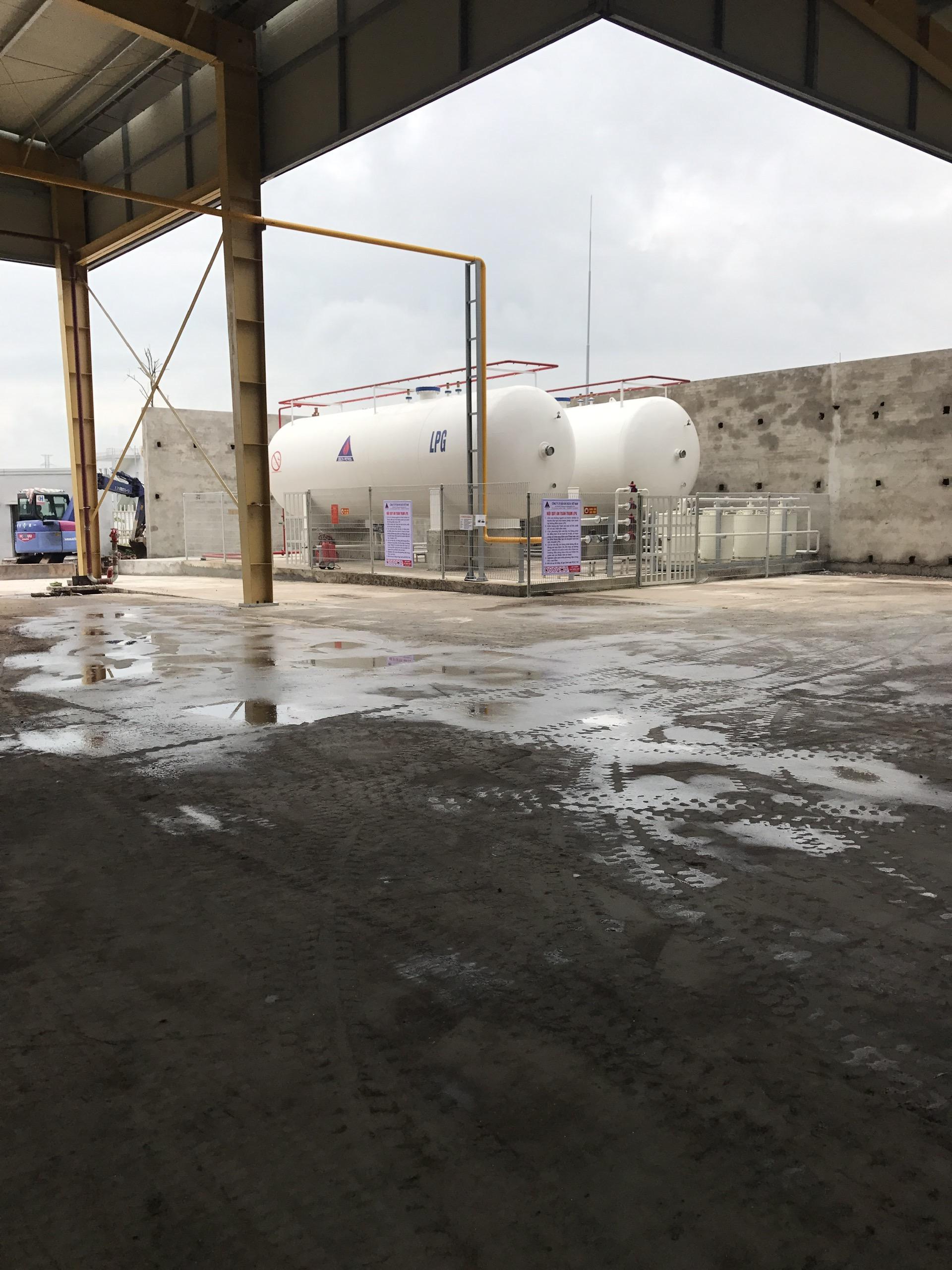
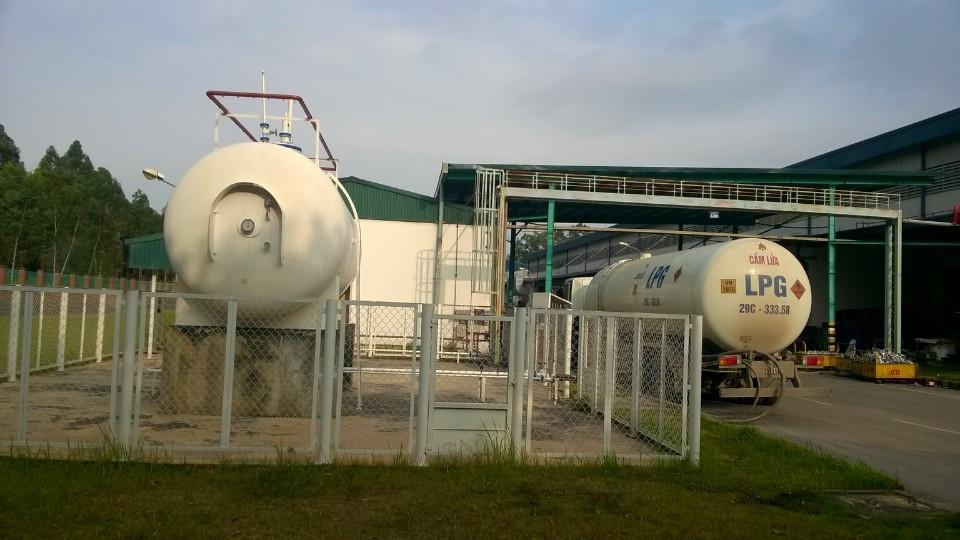
Industrial LPG storage tank systems
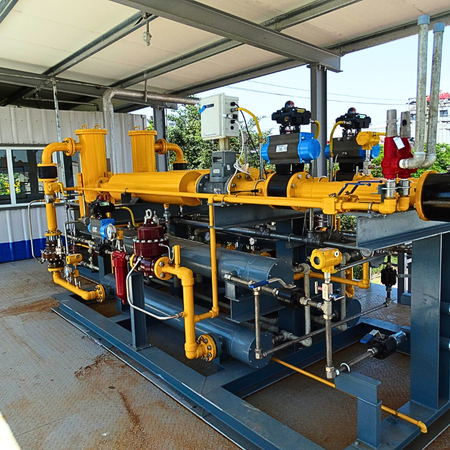
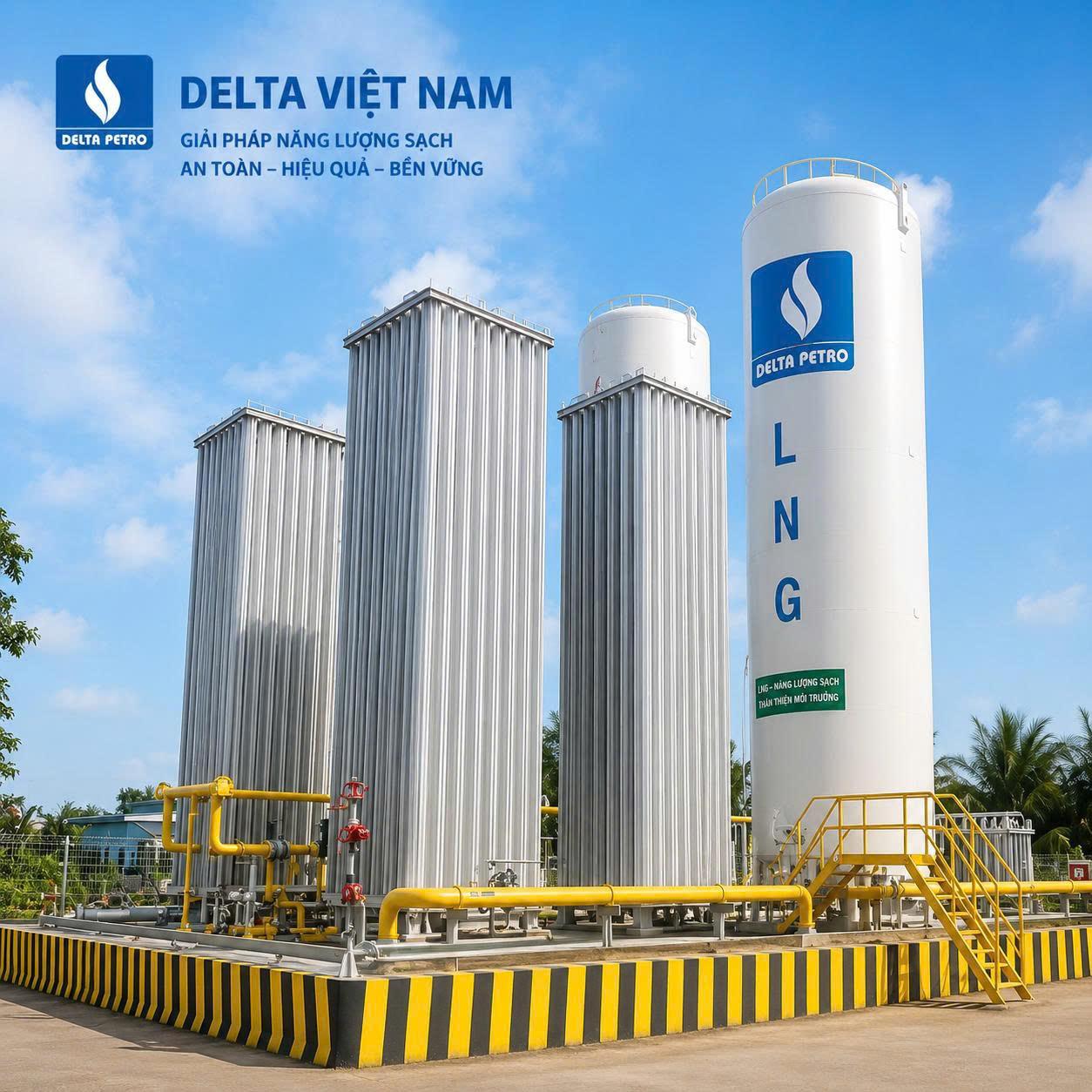
For manufacturing businesses or large restaurants, LPG storage tanks are the optimal solution, allowing large-volume storage and continuous supply while reducing labor and operational costs.
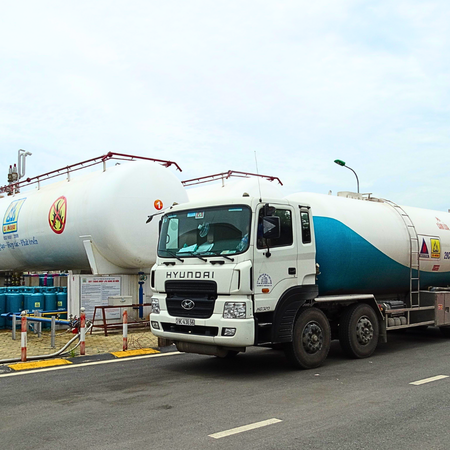
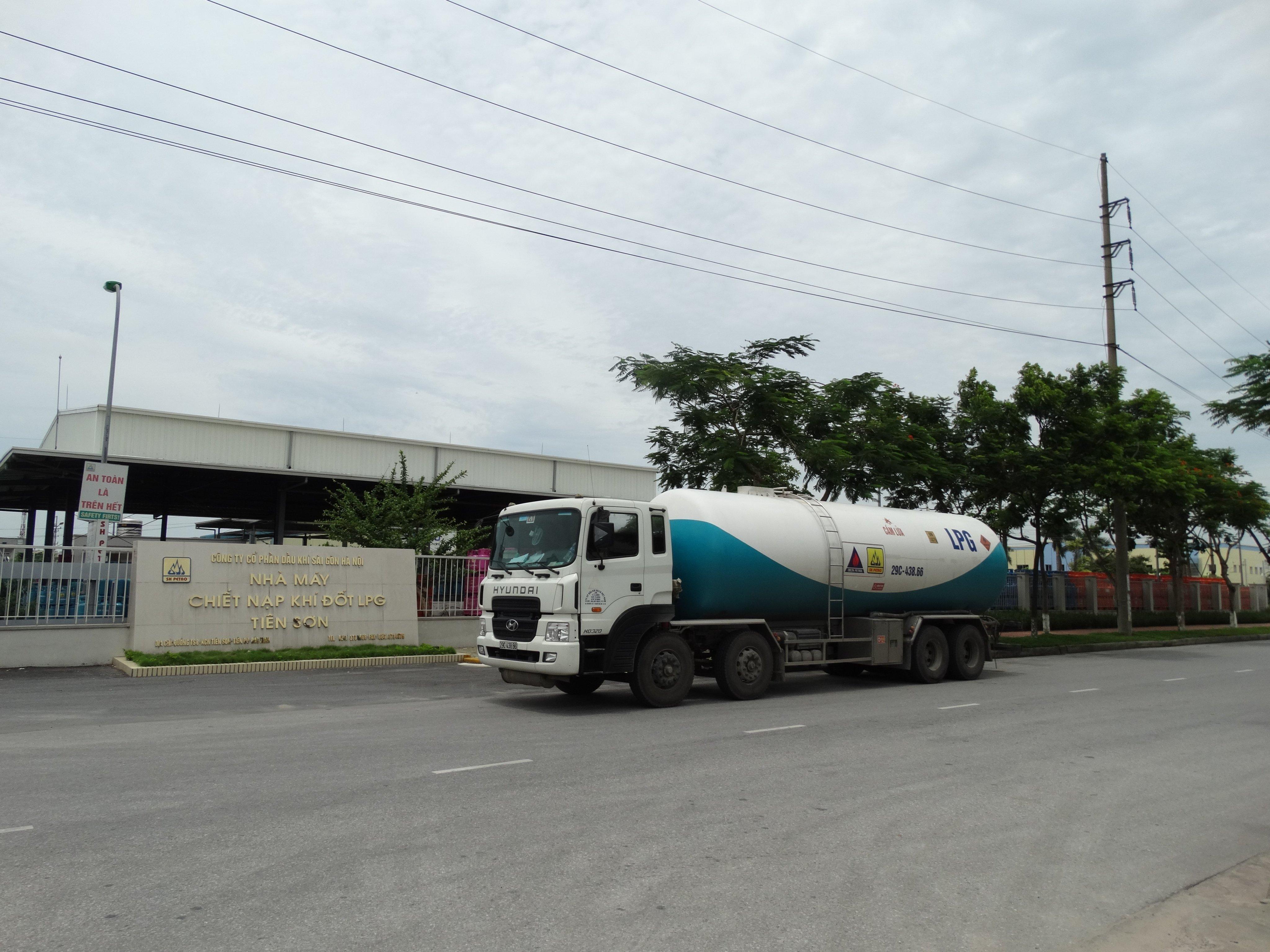
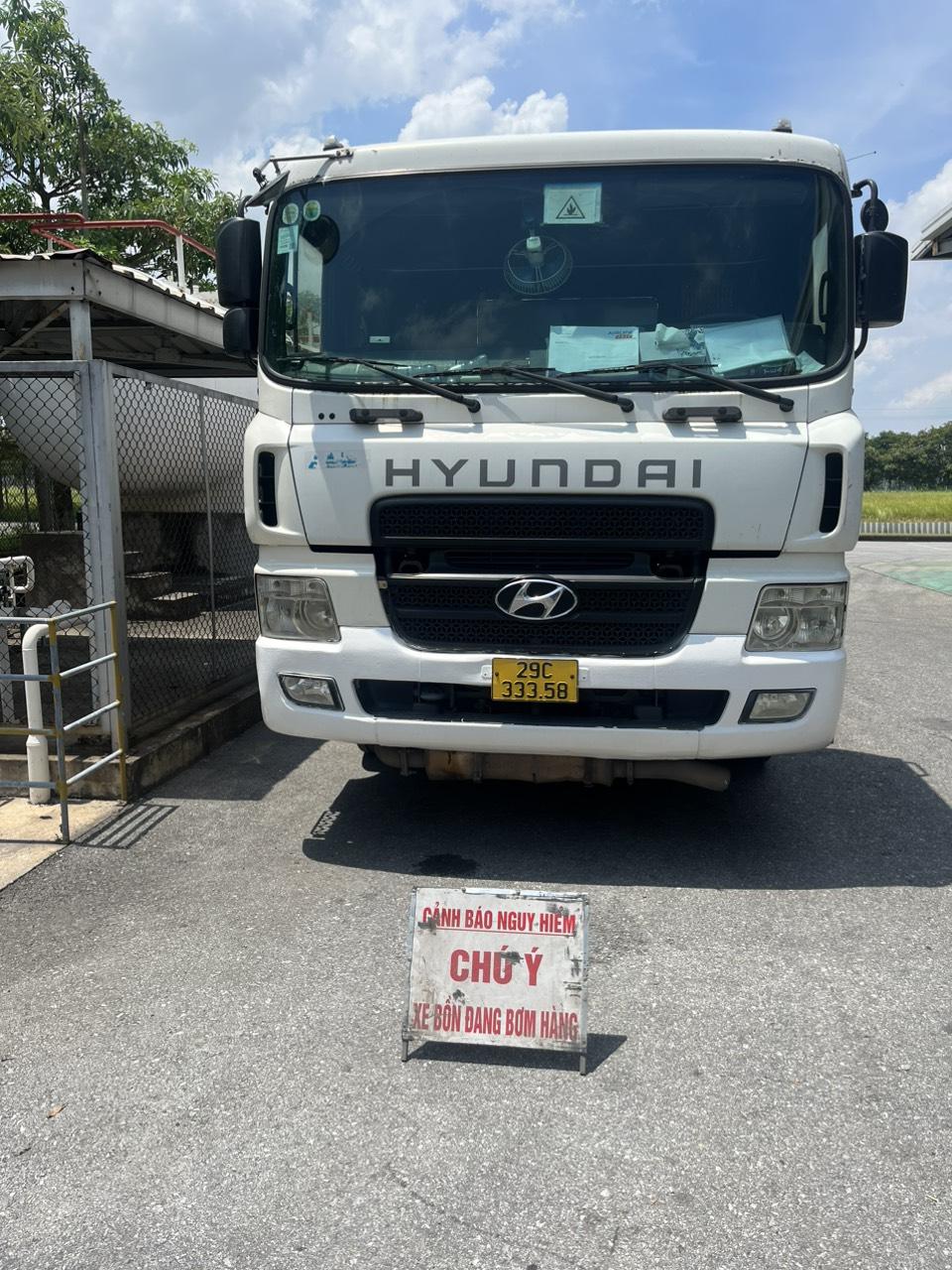
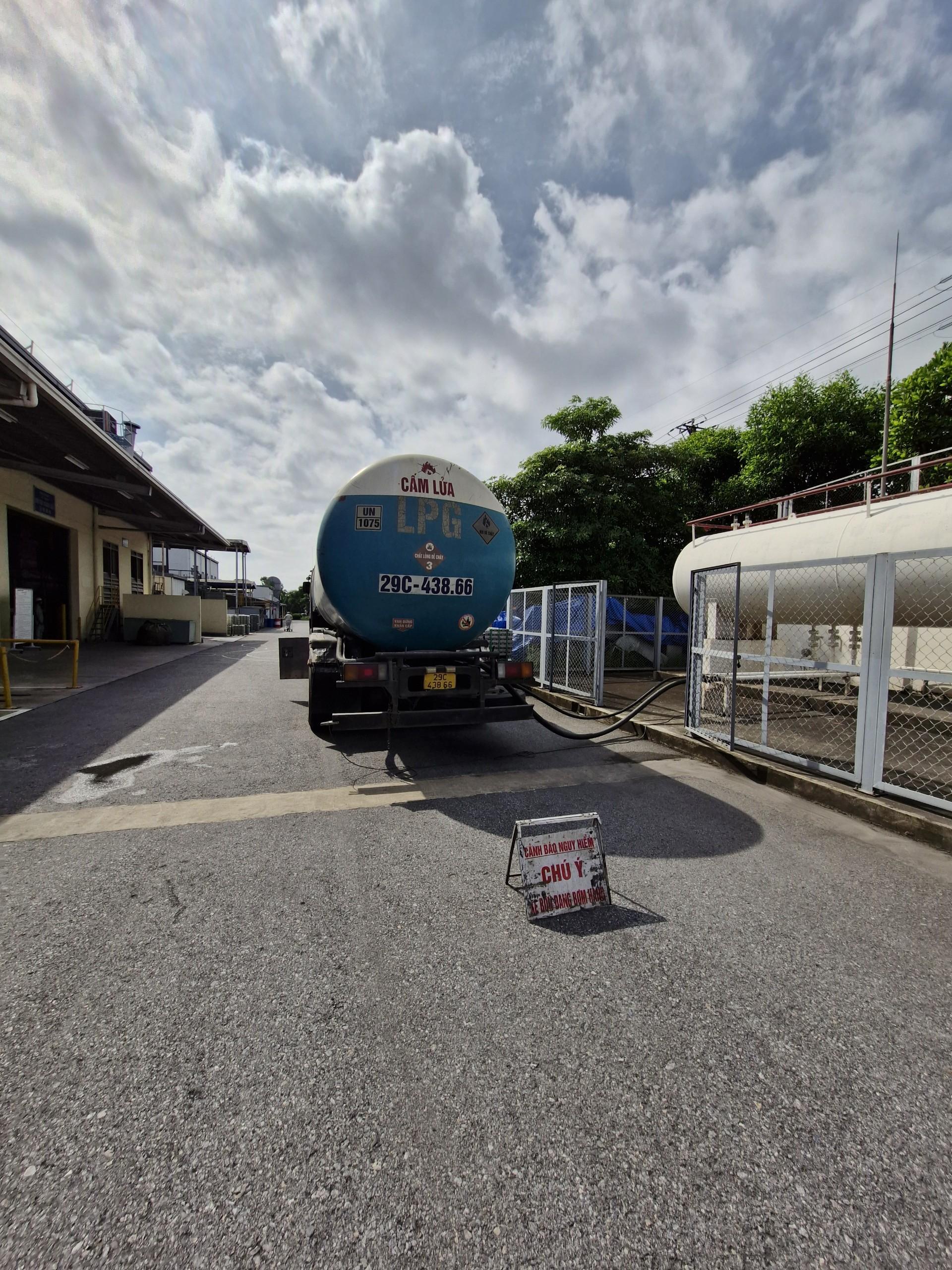
Bulk LPG supply via tanker trucks
Suitable for factories with continuous LPG demand but without large storage systems. LPG is delivered by tanker trucks and directly refilled into the system.
Central gas supply systems
Commonly used in industrial zones, buildings, hotels, or restaurant chains, allowing centralized management and cost efficiency.
Choosing the right solution
The choice depends on business scale, usage frequency, and operational characteristics to ensure long-term efficiency.
Safety Standards When Using LPG
Safety is the top priority when using LPG. Due to its flammable nature, systems must comply with strict oil and gas industry standards.
Using certified equipment, proper installation, and regular inspections are mandatory. Operators must also be professionally trained.
Risks such as gas leaks or explosions can be prevented with proper system control and reliable suppliers.
Professional LPG Supply Process at Delta Petro
Delta Petro provides a comprehensive LPG supply process from consultation to operation.
Step 1: Site survey & demand analysis
Technical teams assess actual conditions and operational goals.
Step 2: System design
Optimized LPG system design balancing efficiency, cost, and safety.
Step 3: Installation
Installation of tanks, pipelines, and related equipment according to standards.
Step 4: Testing & handover
System inspection, testing, and operational guidance.
Step 5: Supply & maintenance
Continuous LPG supply and periodic maintenance.
Why Choose Delta Petro as Your LPG Partner
Delta Petro delivers reliable LPG supply, professional technical support, and optimized cost solutions.
Experience in Choosing a Reliable LPG Supplier
Businesses should prioritize experienced suppliers with strong technical capabilities, stable supply, and transparent contracts.
Frequently Asked Questions About LPG (FAQ)
Is LPG safe?
→ Completely safe if properly designed and operated.
Should I switch from oil to LPG?
→ Yes, especially for cost and emission reduction.
Is the initial investment high?
→ Depends on scale but can be quickly recovered.
Does Delta Petro support surveys?
→ Yes, on-site and free consultation.
Contact for LPG Consultation & Quotation at Delta Petro
DELTA VIETNAM PETROLEUM JOINT STOCK COMPANY
Hotline: 0988.678.494
Address: 3rd Floor, No. 447 Nguyen Van Linh, Phuc Loi Ward, Hanoi
Email: conganh@deltapetrol.vn
Contact us now for optimal, safe, and cost-effective LPG solutions for your business.